
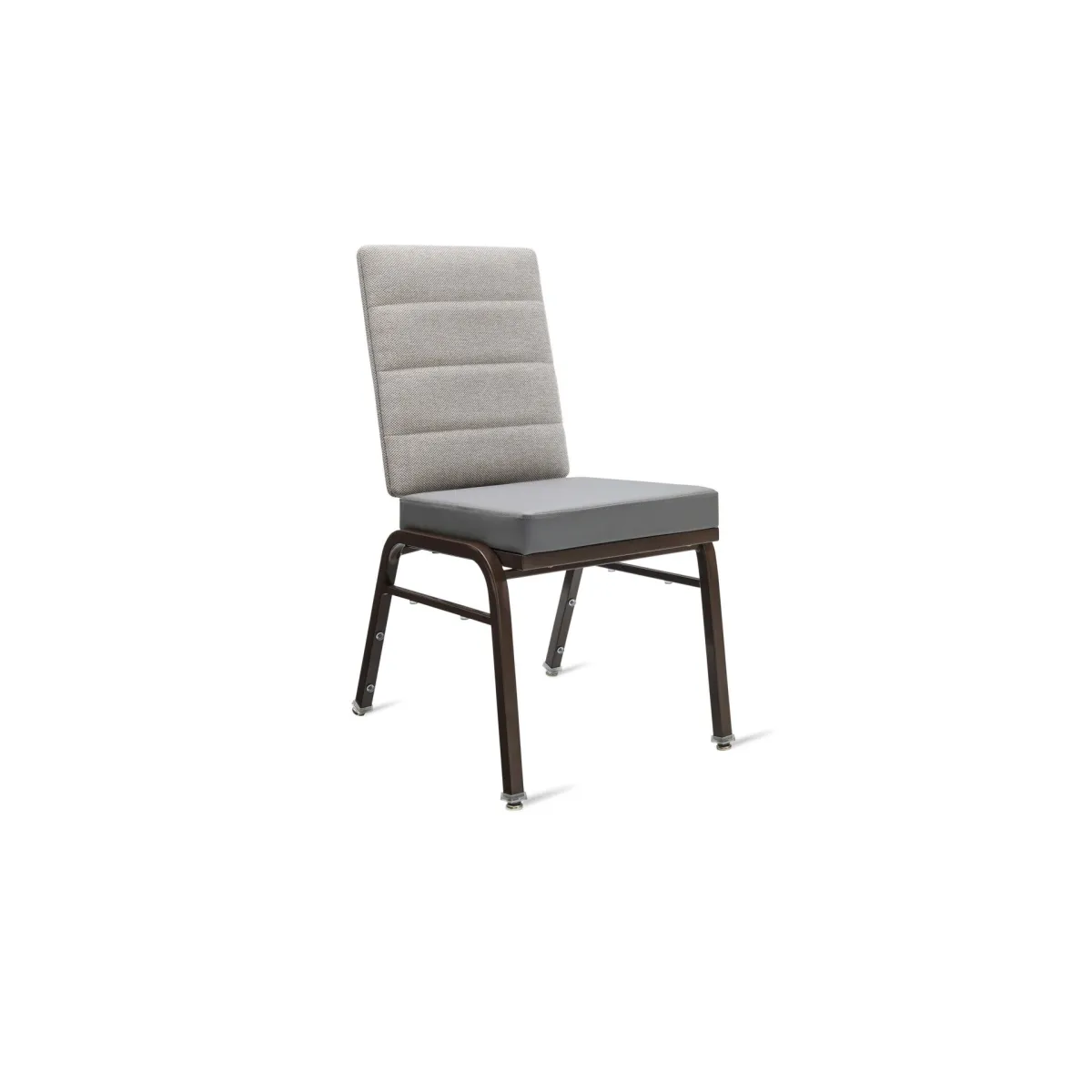
Buy bulk banquet chairs against peak simultaneous demand, then check the resulting inventory against storage and handling capacity. Adding every possible room layout together usually overstates the order; counting only guests in the largest room can understate it. The right purchasing quantity includes chairs committed to overlapping events, a documented reserve, and a deduction for serviceable stock that will remain in use.
Turn the booking calendar into chair demand
Choose a busy operating day and mark when each room needs its chairs, including setup and breakdown. Chairs staged for tomorrow morning are committed stock even if nobody is sitting in them tonight.
For each room, distinguish actual chairs from attendees. A standing reception may still need lounge or dining seats; a meeting may have a different count from dinner. Confirm arrangements using your own seating-capacity checks and approved room plans.
Do this for more than one event format. A wedding weekend and a conference day can expose different peaks even when their total attendance is similar. Note whether transfers depend on an elevator or crew already occupied elsewhere.

Work through one transparent quantity example
The figures below are an illustrative inventory exercise, not a recommended venue size or reserve percentage.
| Item at the busiest overlap | Chairs |
|---|---|
| Ballroom dinner | 180 |
| Breakout room still in use | 40 |
| Next event already staged | 24 |
| Peak committed inventory | 244 |
| Venue-selected operating reserve | 12 |
| Total target inventory | 256 |
| Serviceable compatible chairs retained | 96 |
| Additional chairs to purchase | 160 |
The 12-chair reserve is a chosen input that must be justified from this example venue's repairs and booking uncertainty. It is not an industry rule. If staged chairs can reliably be released before dinner, revisit the overlap and reduce the target accordingly.
Keep broken chairs, promised repairs, and unconfirmed borrowed stock out of the serviceable deduction. Count them only after their availability is established.
Check what the bulk order does to storage
Ask each supplier for the approved stack count, compatible cart model, and dimensions of the loaded system. Do not multiply a single chair's footprint by a guessed stacking allowance.
Map storage positions, retrieval space, doors, and turning points. Include existing tables and equipment that share the room. The useful question is whether staff can retrieve the required chairs without unloading unrelated inventory first.
Try a sample retrieval with the proposed equipment. If the additional chairs require off-site storage, enter that cost and transfer time in the purchasing comparison. A larger order may still make sense, but storage should be a priced decision.
Decide whether one model can cover the fleet
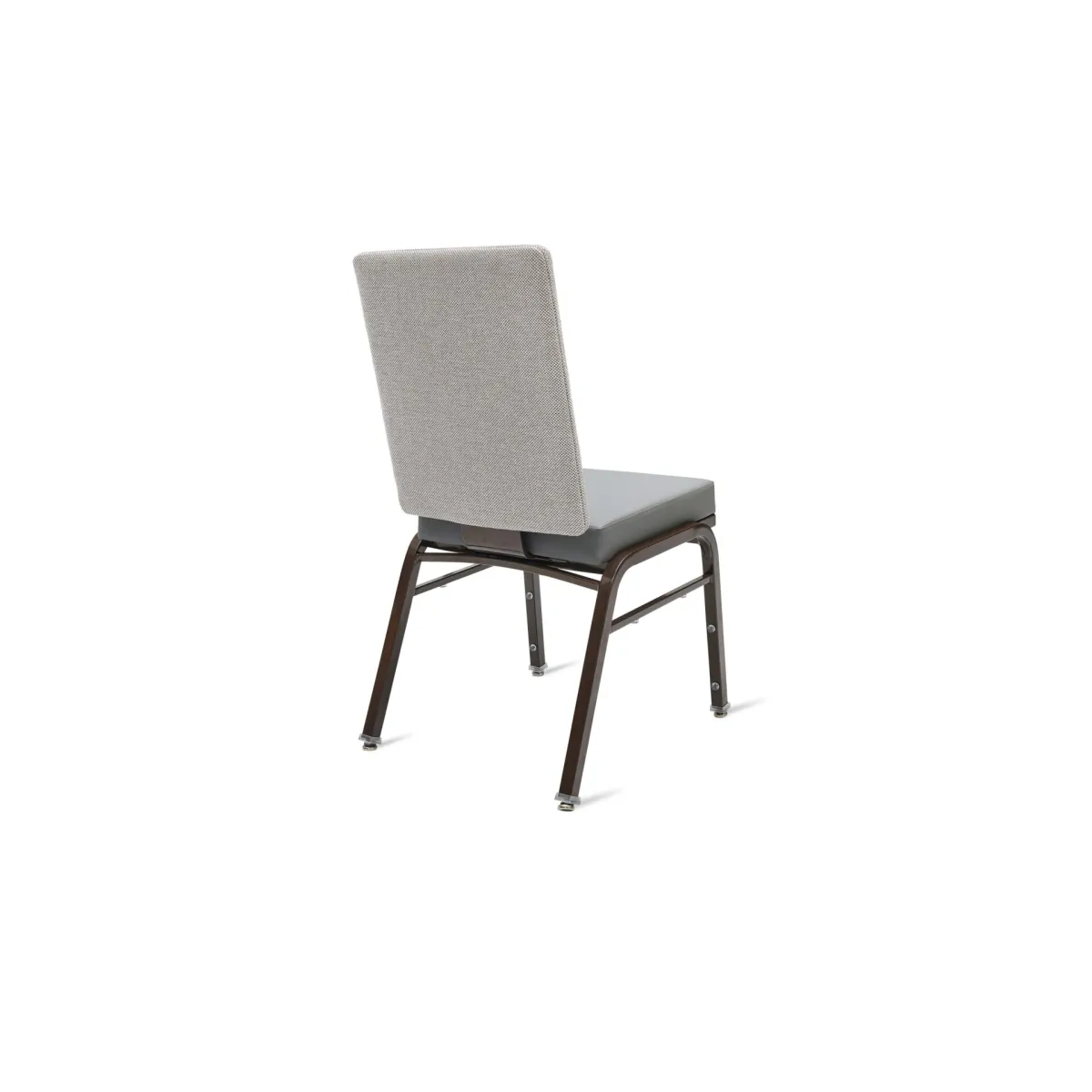
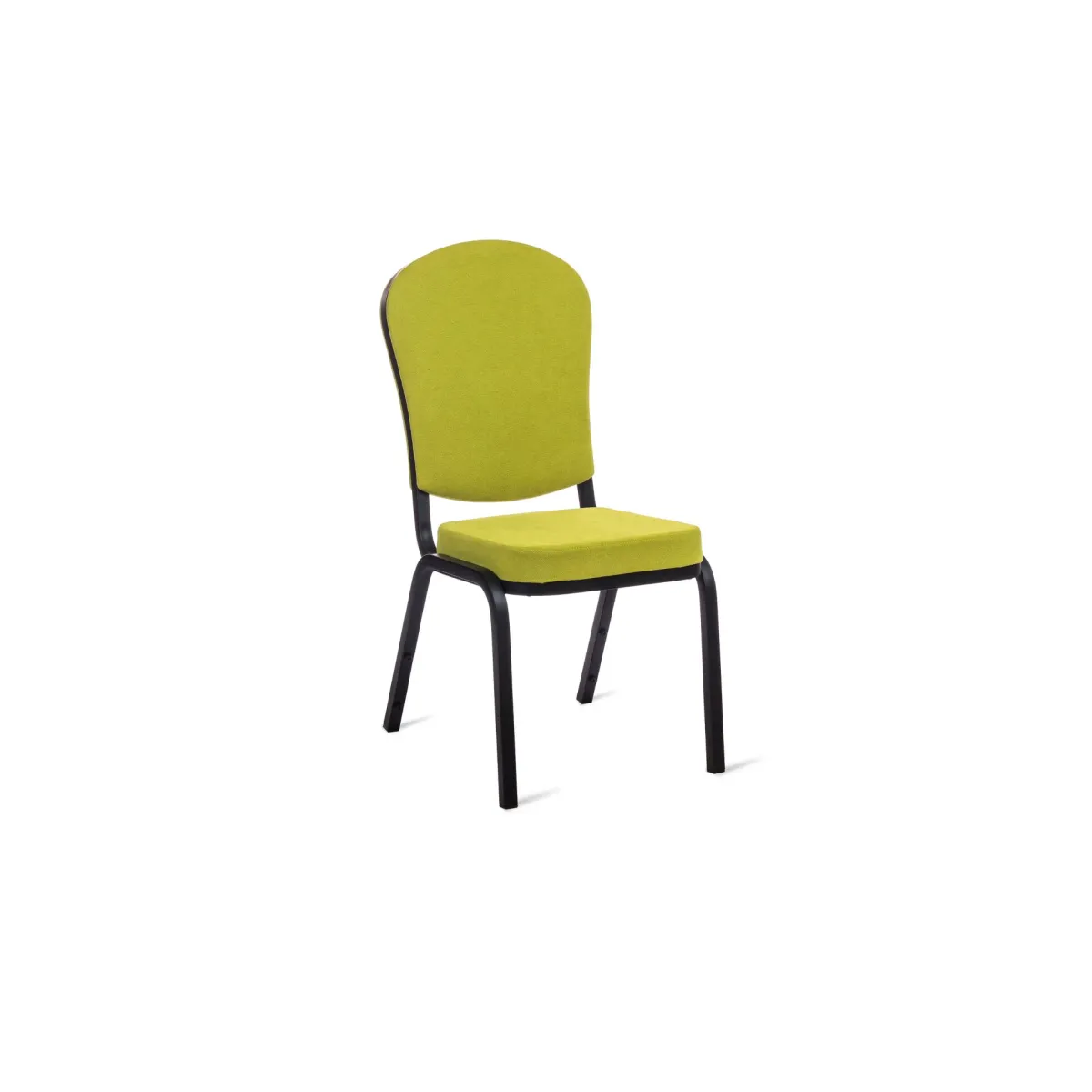
Compare candidates from the banquet chair catalog across your common room setup styles. One approved specification simplifies counts and appearance, but only if it passes dining, meeting, and handling tests.
When two models are necessary, assign them explicit jobs and quantities. Avoid assuming they can share stacks or carts because their backs look similar. Obtain compatibility confirmation for each combination, and label storage locations so staff do not have to remember subtle differences.
Also decide whether retained chairs must mix within the same room or can serve separate rooms. That choice changes how closely the new finish, dimensions, and seat feel need to match.
Compare complete order scenarios
Request a complete proposal at the calculated quantity and at one credible phased quantity. Ask about actual minimums, packaging multiples, current production availability, and the effect of split delivery. Do not assume a bulk label guarantees a discount.
For each scenario, include chairs, specified upholstery and finish, carts, freight, receiving services, taxes, and any temporary inventory needed during rollout. Compare the total expenditure with the chairs ready for use by the required date.
Have the setup lead review the handling implications. Your own setup staffing observations can reveal when a cart purchase is more useful than adding chairs to an already sufficient fleet.
Place the order with an inventory destination
Save the demand worksheet and planned arrangements in the room planner. Assign incoming chairs to rooms or numbered storage bays before delivery, with a separate location for inspection holds.
Send your peak-demand calculation, retained-stock count, preferred models, storage constraints, and delivery address through the quote form. Ask for a proposal that identifies every chair configuration and cart quantity. This makes the bulk order countable, receivable, and ready to put into service.