
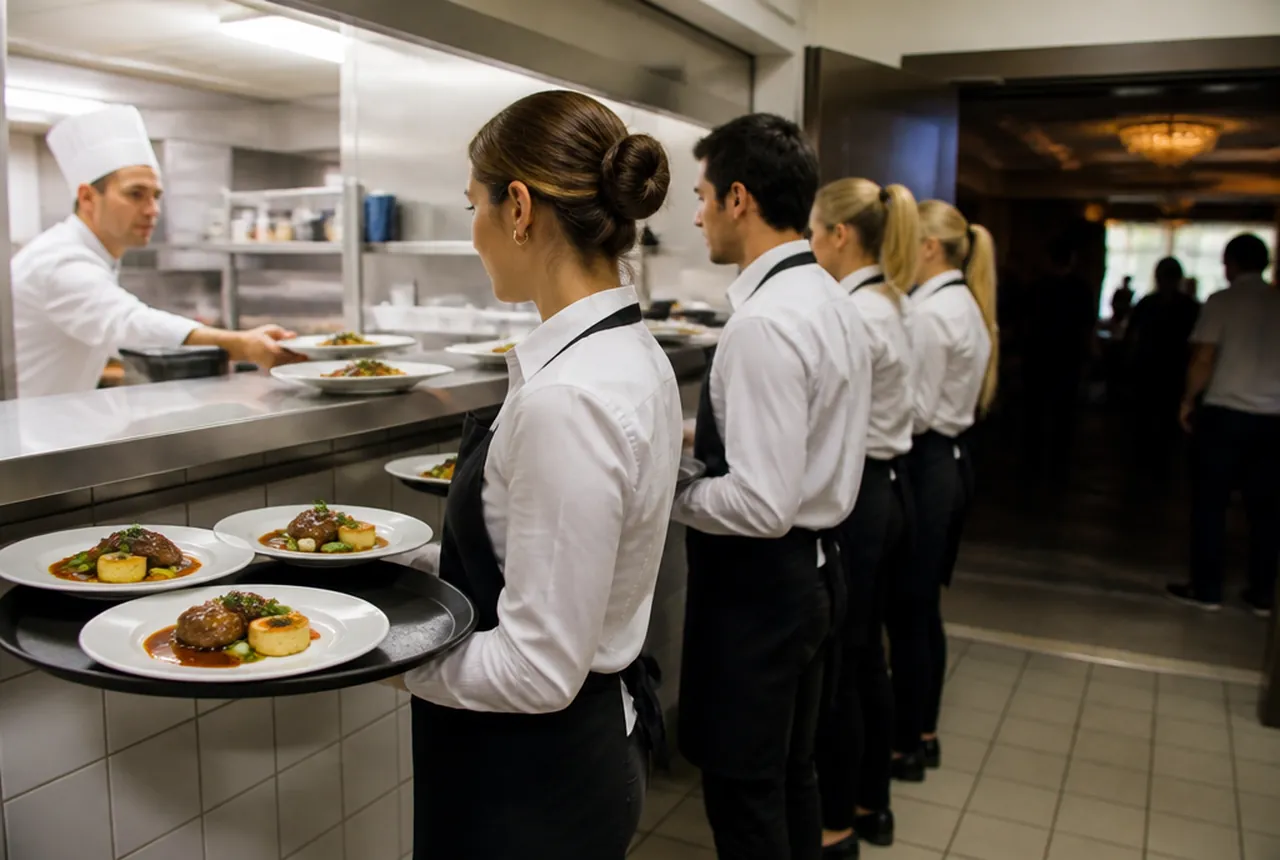
Banquet staff ratios are useful only when the counted roles and service tasks are defined. A server-to-guest ratio does not tell you whether the same team can also move 180 chairs, reset tables, and prepare stations before doors open. Build the staffing plan from measured work and available time. When purchasing chairs, compare how each model's approved handling system affects that work instead of assuming a lighter-looking chair needs fewer people.
Furniture handling belongs in the setup discussion. Use the New Jersey multi-room chair plan to identify which groups change rooms and which remain in place before assigning the reset work.
Separate setup, service, and support work
Name the roles included in any proposed ratio. A service team may depend on runners, clearing staff, bar staff, kitchen support, and a supervisor who is not continuously serving tables. A setup crew may be different people with different call times.
| Work period | Tasks to count | Evidence to collect |
|---|---|---|
| Before service | Retrieve, inspect, place, dress, and check furniture | Observed task time and equipment used |
| Guest arrival | Reception and assistance specified by the event | Arrival pattern and assigned responsibilities |
| Meal service | Deliver, replenish, clear, and support guests | Menu sequence and representative service trial |
| Changeover | Remove settings, move furniture, clean, and reset | Dependency order and available working window |
| After the event | Inspect, transport, and store equipment | Return journey and condition recording |
Give every recurring task an owner. Otherwise a favorable-looking server ratio can conceal essential work that nobody has time to perform.
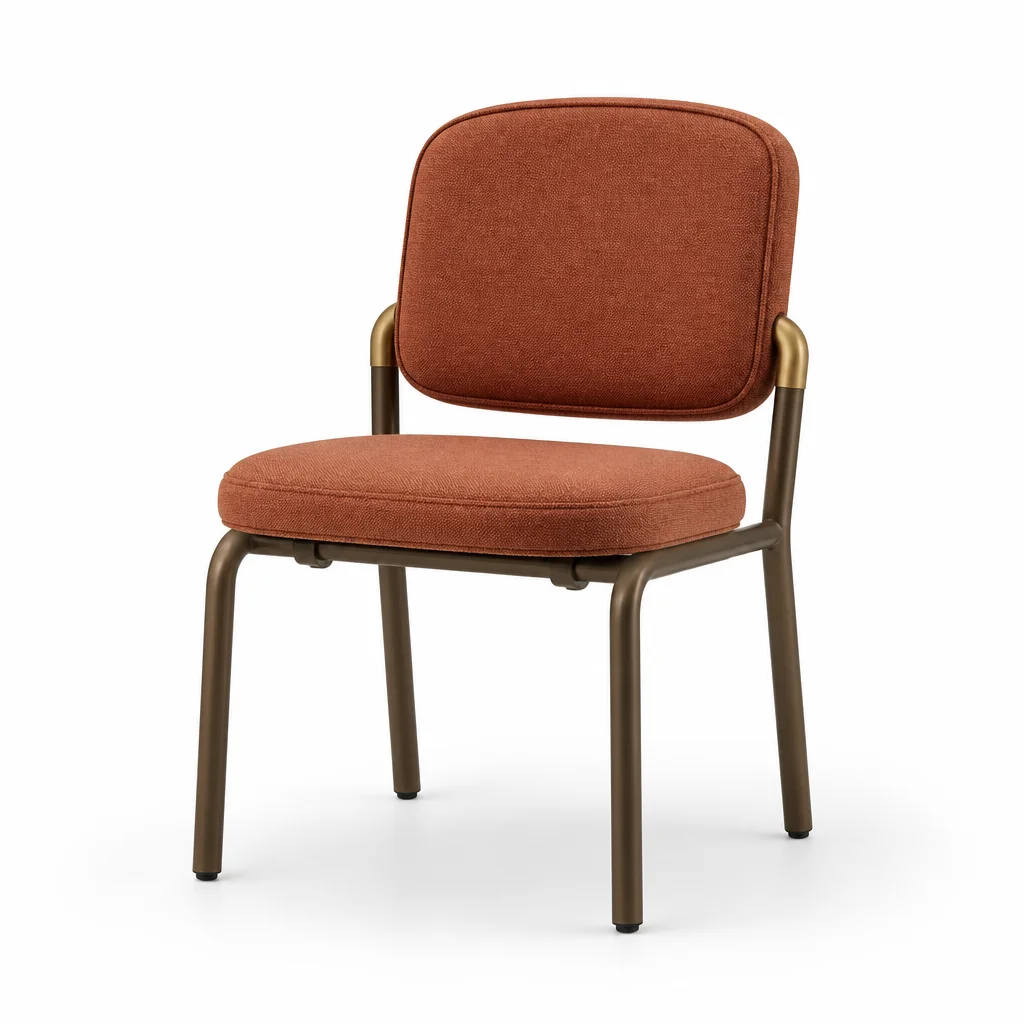
Time the actual chair journey
Observe a representative setup using the intended model, compatible cart, and manufacturer-approved method. Include retrieving stored chairs, moving them through doors, distributing them, placing them, and removing unusable units from service.
Record elapsed time and the number of people actively involved. Two people working together for ten minutes consume 20 worker-minutes, even though only ten minutes pass on the clock. Keep waiting time visible so a congested doorway does not disappear from the estimate.
Product weight is only one part of handling. OSHA's ergonomic guidance also considers factors such as repetition, load position, grasp, and twisting. It does not supply a universal banquet staffing ratio. OSHA task-assessment guidance.
Calculate a staffing floor, then test the sequence
Here is a hypothetical chair-setup worksheet using measured inputs you would replace with your own:
| Activity | Example worker-minutes |
|---|---|
| Position 180 chairs at 0.4 worker-minute each | 72 |
| Transport and return handling equipment | 24 |
| Set out the approved layout | 12 |
| Final inspection and count | 12 |
| Total | 120 |
With a 40-minute working window, 120 ÷ 40 = 3 people is an arithmetic lower bound. It is not a recommended crew size. Tasks may depend on one another, equipment may be shared, and some movements may require a particular team or procedure.
Draw the sequence and run it. Add realistic time for observed variation and separate tasks, rather than assuming three people can perfectly divide every minute of work.

Build the meal-service estimate separately
Define the menu, courses, service style, serving window, and station locations. Measure a representative sequence with the intended team. A buffet changes the tasks; it does not eliminate replenishment, clearing, or guest assistance.
For example, if a defined service step takes a two-person team five minutes for one table, that step uses ten worker-minutes per table. Fifteen equivalent tables would require 150 worker-minutes for that step alone. Do not treat the result as the total labor for the meal or assume it can all occur simultaneously.
Check travel and replenishment in the side-station plan. Report the resulting server-to-guest ratio only after identifying which support roles are additional and which tasks were measured.
Compare chairs through repeatable trials
Use the same route, crew, table layout, and task definitions for competing chair models. Confirm each model's stack limits, cart compatibility, and handling instructions before the trial. Do not create a generic tall-stack test or ask staff to lift an unapproved load.
Record handling time alongside fit, condition, and staff observations. A small time difference from one run is weak evidence; investigate whether the difference came from the chair, the equipment, unfamiliarity, or a blocked route.
If one fleet supports several setup styles, test the changeover that creates the tightest scheduling constraint. It may determine whether the same chairs can be reused later that day.
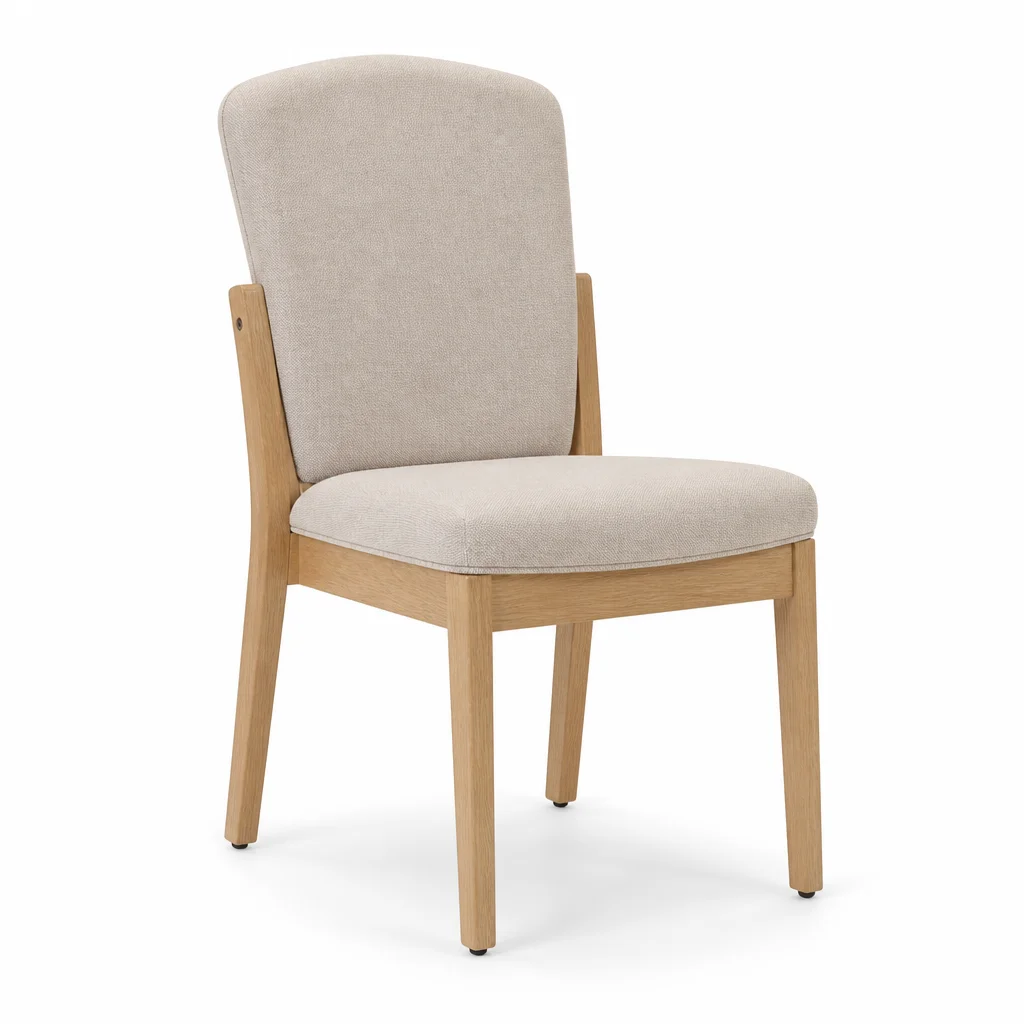
Give procurement the operating requirement
Use the accepted floor plan and room planner to establish the furniture moves being priced. Keep access and occupancy review separate from labor arithmetic; adding staff does not make a blocked route usable.
Send a chair inquiry with required quantities, event styles, setup window, storage and delivery routes, sample timing method, location, and first-use date. Request the exact chair weight and approved handling equipment. Those facts let you evaluate a complete operating system and build a staffing plan grounded in your venue's work.