
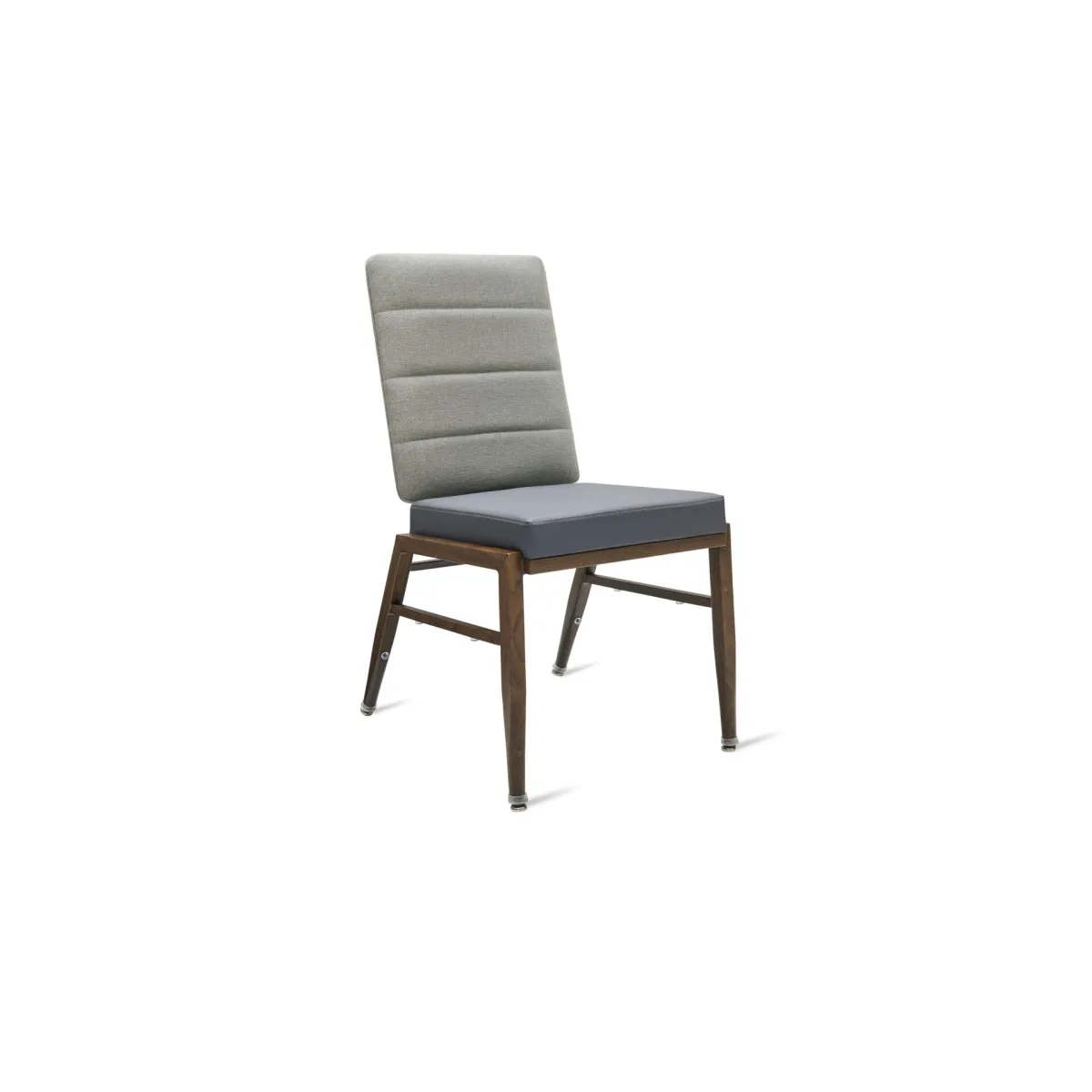
Comfortable banquet chairs should earn that description through a sitting trial at your venue's tables. Ask varied participants to use production-equivalent samples for a representative period, then record where the seat, back, and table relationship work or fail. Choose from the results of the complete setup. Cushion thickness, a sculpted back, or a brief showroom sit cannot establish comfort for every guest or event.
Define what guests will do while seated
Start with the main use: dining, listening, writing, or a combination. Note the usual uninterrupted sitting period and opportunities to stand. A dinner chair and a chair used for extended presentations should be evaluated against their actual tasks.
Identify known guest needs without collecting unnecessary personal information. Invite people with different statures and sitting preferences to participate voluntarily. Ask for observations about the chair, not medical details or public judgments about a participant's body.
Shortlist candidates from the banquet chair catalog. Include only samples whose intended-use documentation and condition are suitable for the planned trial. Comfort testing is ordinary use, not an invitation to exceed a stated rating.
Make the comparison consistent
Use the same table, lighting, room temperature, place setting, and tasks for each candidate. Give participants comparable time in each chair and change the order of candidates so the last chair does not always benefit from familiarity with the exercise.
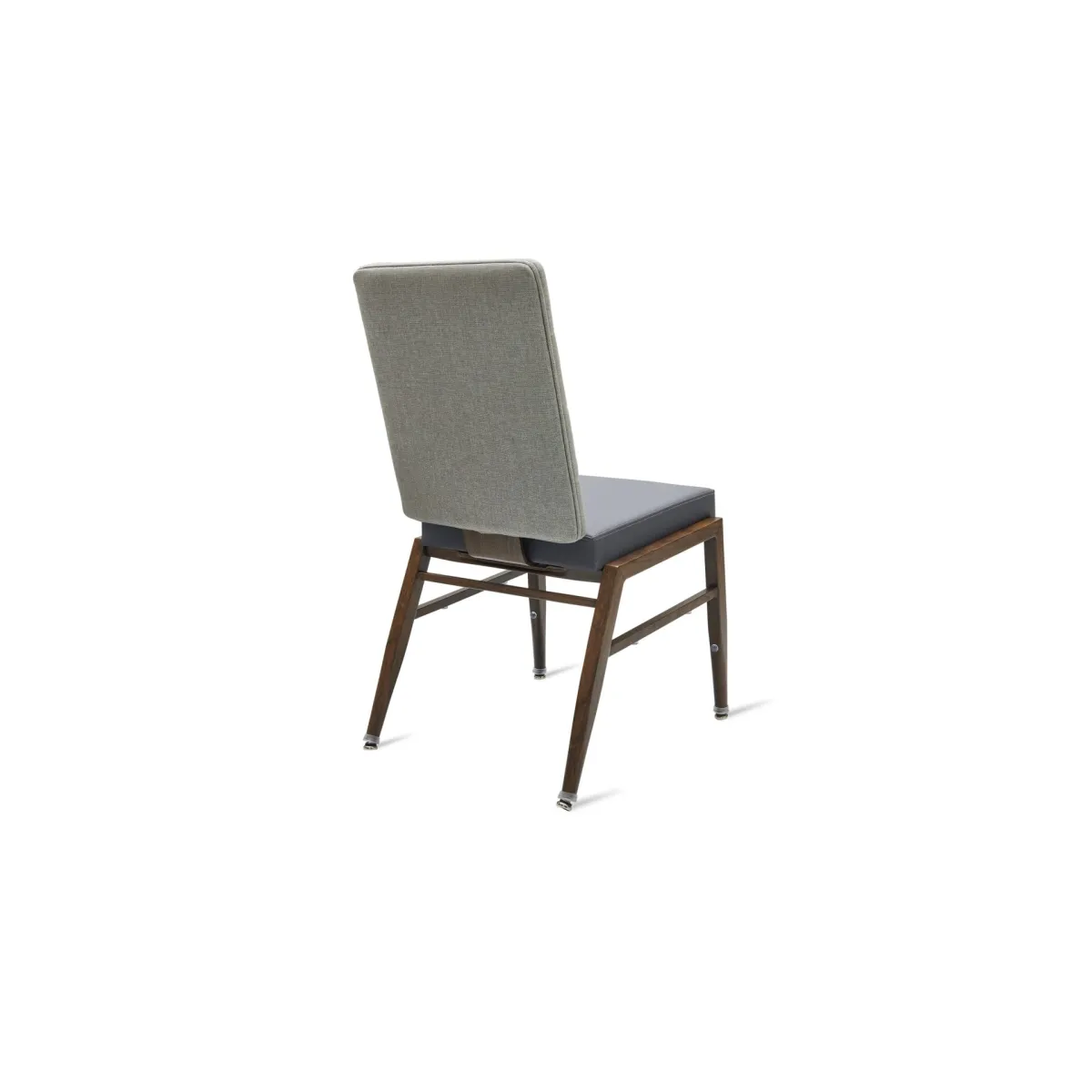
Record the sample identifier and upholstery configuration. A replacement sample with different cushioning or cover material should not inherit the earlier result without review.
Take measurements using the chair dimensions guide: overall width and depth, usable seat width and depth, and seat height. Record how the cushion and table relationship feel during use rather than treating a nominal seat-height number as sufficient.
Ask for observations that change the decision
Use a short feedback sheet with space for comments. The following questions are proposed procurement checks, not a medical assessment or formal ergonomic standard.
| Moment in the trial | Useful question |
|---|---|
| First seated position | Can you find a natural position without repeated adjustment? |
| After sustained sitting | Where, if anywhere, do you notice discomfort? |
| Using the table | Can you reach the place setting or writing area comfortably? |
| Turning to a neighbor | Does the frame or back obstruct the movement? |
| Standing and sitting again | Is there anything awkward about the transition? |
| End of the comparison | Which chair would you select for this event, and why? |
Do not reduce a serious repeated concern to an average score. If several participants report the same front-edge contact, investigate it even when the chair receives favorable appearance ratings.
Find out whether the table is the problem
Repeat an awkward task with another appropriate table before rejecting the chair. The apron, base, leg positions, and tabletop height can change the result. Our table dimensions guide helps identify the measurements to retain.
Test the intended number of people together. An individual chair may feel good while the complete table feels cramped. Look at elbow space, chair-to-chair contact, and access when a neighbor is already seated.
Use guests-per-round-table guidance and the room planner as planning aids, then use the trial to set your actual arrangement. Neither a catalog width nor a default planner count guarantees comfort.
Separate a universal choice from a mixed provision
Look for a candidate that works well across the main group, but document needs it does not meet. The solution may include a separately specified chair option rather than forcing one model to serve everyone.
Confirm the availability, storage requirements, and intended use of any alternate. Plan how staff will provide it discreetly and how it fits the room arrangement. Do not assume armrests, a wider seat, or another feature is automatically suitable; test the whole configuration with the intended users where possible.
Keep these decisions alongside the room's accessibility review. A comfortable chair selection does not by itself establish an accessible event layout.
Turn feedback into an approved specification
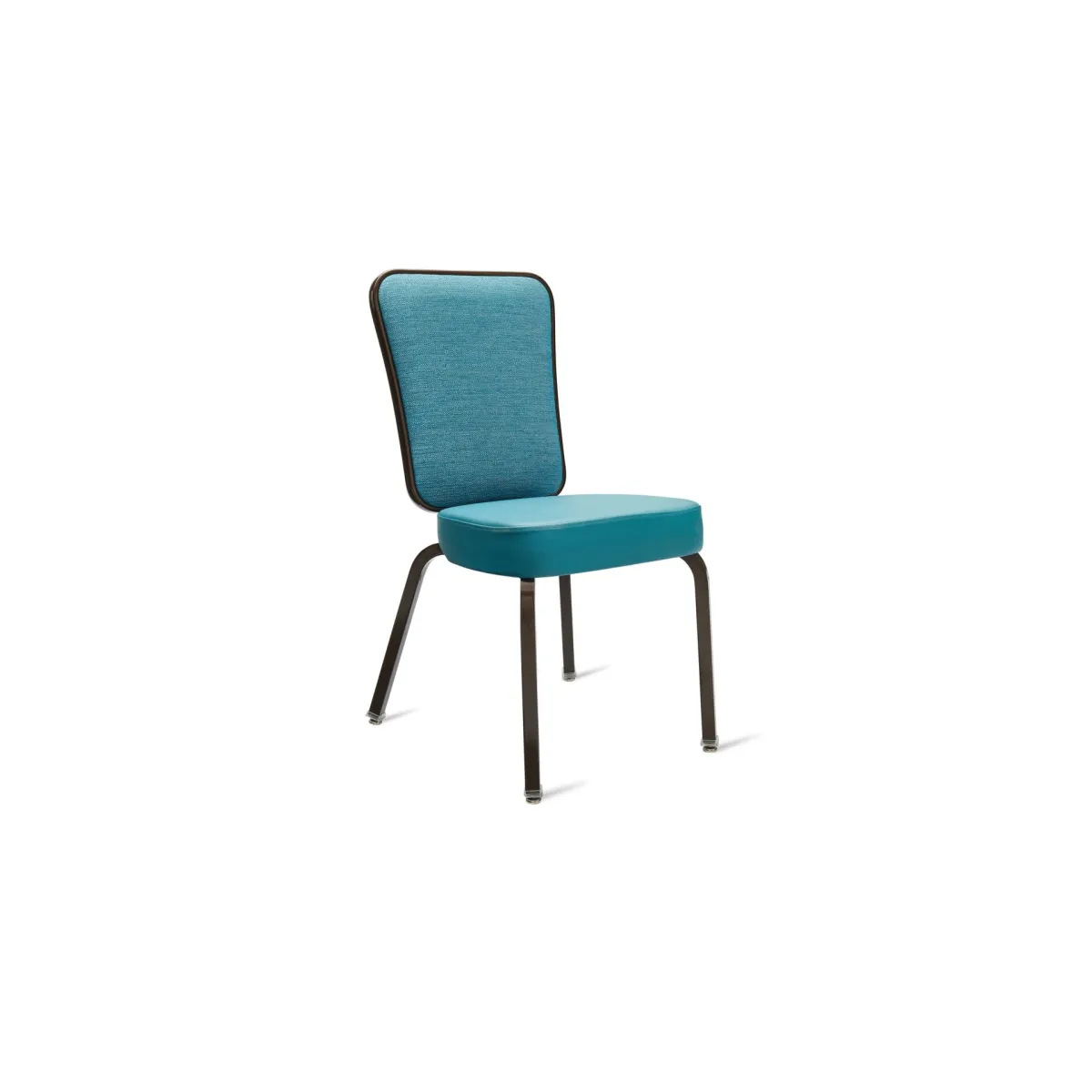
Summarize what passed, what changed, and which concerns remain. Retain the approved sample or its identifier and require confirmation that the quoted production configuration matches it. Avoid approving an unseen substitute solely because it is described as more padded.
Send preferred models, trial findings, table measurements, desired quantity, intended event duration, and delivery details through the quote form. Request any remaining sample or specification information. Your final choice should have clear evidence of comfort in the setting where guests will actually use it.