
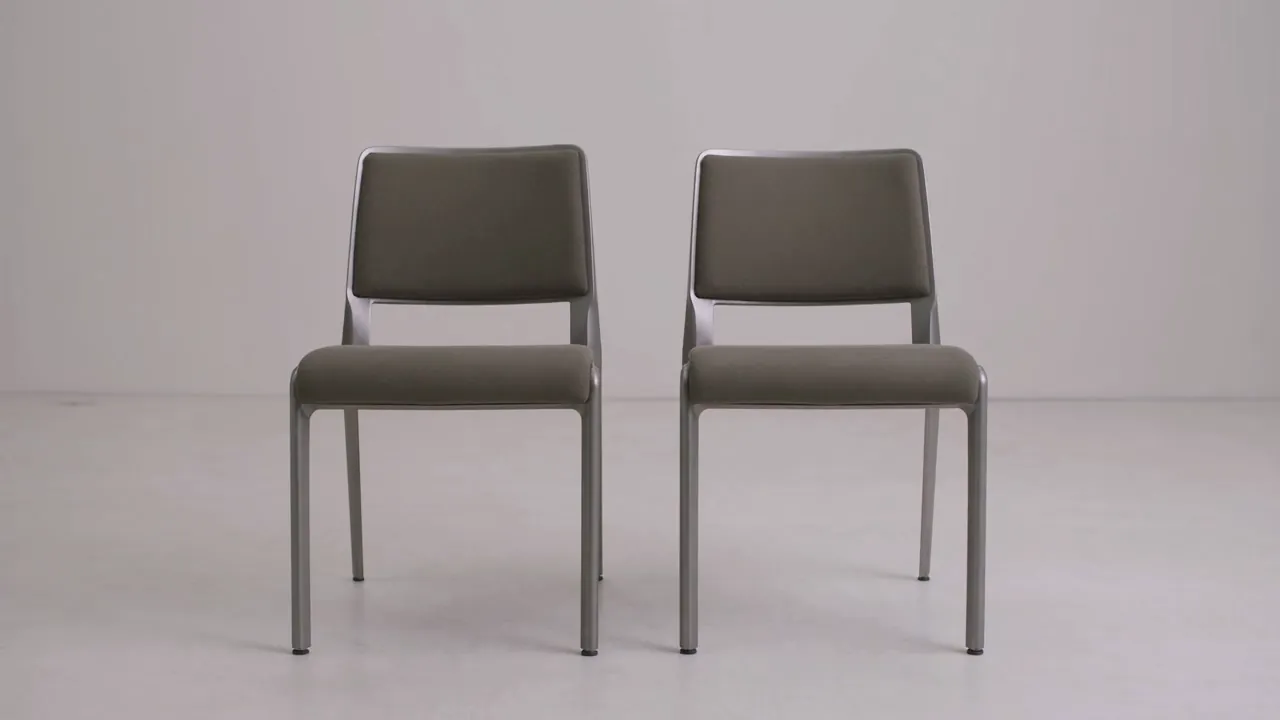
A chair sample can look right and feel comfortable while still differing from the chair you’re about to order. Check which parts match the proposed production chair, give the sample an identifier, and record each decision separately for the order and delivery checks. A comfortable sit approves only the sitting experience you tried. It does not approve an unseen fabric, establish a structural rating, or confirm that the chair will work on your existing carts.
Use the buying guide to define the brief first. This guide takes that brief through sample receipt, review and sign-off, so the supplier and receiving team can identify exactly what was accepted.
Identify the sample before evaluating it
Confirm the loan or purchase terms before shipment: sample charge, freight, return deadline, return condition and any agreed credit. Ask separately whether an eventual order would reserve production or inventory. Receiving a sample does not answer that question.
On arrival, assign an identifier such as SAMPLE-A and photograph its front, back, side, underside and labels. Record the supplier's model and revision, upholstery reference and colour, frame finish, seat construction and included accessories. Keep the delivery condition separate from later trial findings. A damaged leg should be reported before anyone sits in the chair.
Ask the supplier to state differences from the offered production configuration in writing. For example, a sample with the correct frame but temporary upholstery can answer a frame-clearance question. It cannot settle the final fabric's appearance, care requirements or sitting feel. Mark those approvals open rather than signing off the complete chair.
Our chair concepts help shortlist appearance. Their reference images do not establish the specifications of the sample you receive. Match the sample to the supplier's current documents, not to a similar-looking picture.
Record what each check approves
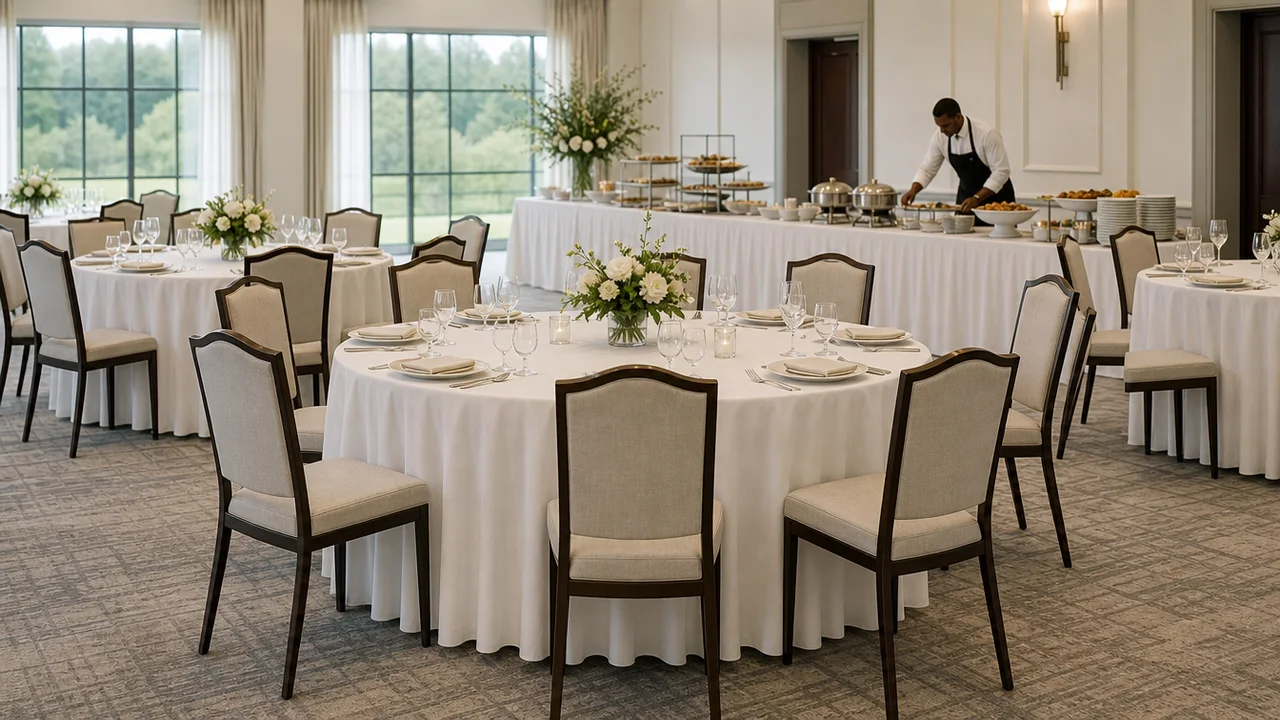
Put the requirement, evidence and decision together. Name a person able to accept each result before the trial starts; purchasing should also identify who can approve the complete configuration.
| Approval field | Record to keep | What remains outside that approval |
|---|---|---|
| Sample identity | Model, revision, materials and known production differences | Unseen substitutions or later revisions |
| Table fit | Table identifier, measured interference and accepted positions | Other tables and untried layouts |
| Sitting experience | Tasks, participants' observations and trial conditions | A promise of comfort for every guest |
| Appearance | Material references, lighting and accepted combination | An unreviewed upholstery or finish |
| Handling | Written cart/stack instructions and route observations | A different cart or improvised stack |
| Care | Exact material instructions and approved trial result | Other chemicals or long-term wear |
Use passed, failed or unresolved. A preference score can help compare chairs that pass essential checks, but it should not hide an unresolved requirement. Record the failure precisely enough for a supplier to respond: the rear frame contacts a named table leg at a named position, rather than “does not fit well.”
Run the ordinary-use checks consistently
Give each candidate the same table, place settings, tasks and observation sheet. Record the actual sample measurements using the dimensions guide. Where several chairs are needed to test neighbouring positions, request enough samples or state which positions use substitutes. Substitute chairs limit the result.
Use the comfort trial for dining, listening or writing tasks representative of your bookings. Keep comments about the chair and table relationship; avoid collecting personal medical information. If the sample changes the accepted number of places at a table, retain that count with the approval record and revise the purchasing calculation.
View the actual proposed materials together under the venue's intended lighting. Record the light conditions and reference identifiers. Photographs help locate and document a sample, but an image on a screen should not silently replace an agreed physical material review.
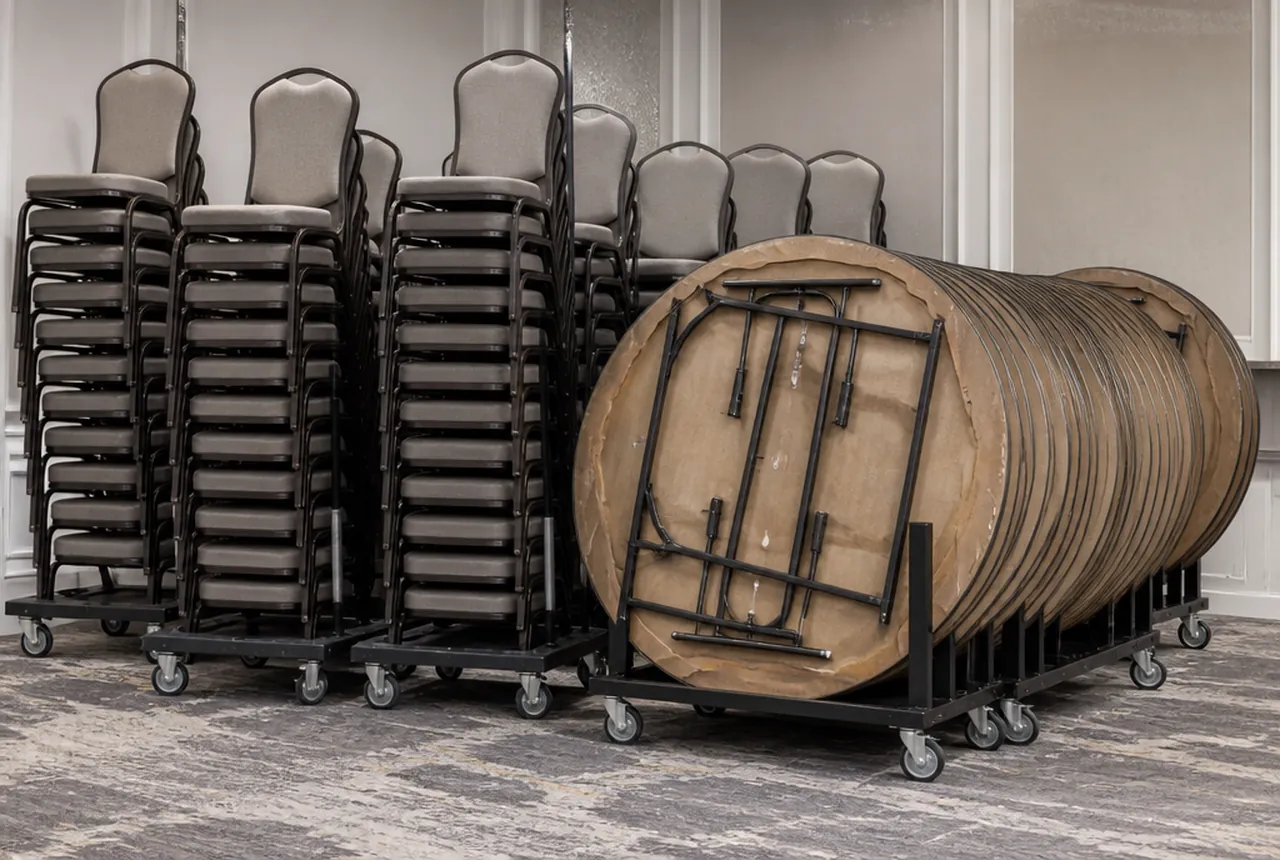
Ask for the exact model's stacking and cart instructions before trying the retrieval route. MityLite's cart guidance illustrates why this is a configuration question: different stacking-chair models use different carts. A photograph of a stack cannot confirm compatibility for another chair. Record the cart identifier, permitted arrangement, doorway and turn observations, and return-to-storage result.
Check care instructions and performance documents
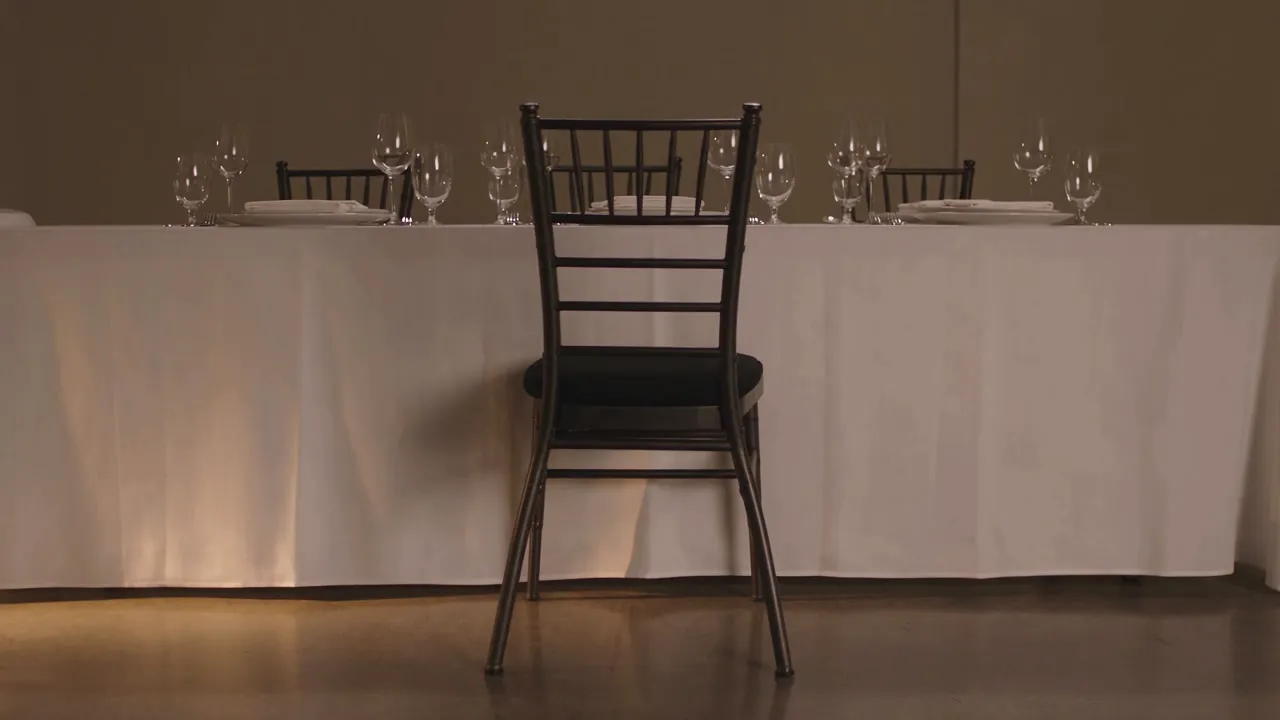
Have housekeeping compare the supplied care instructions with the routine the venue can actually follow. If a trial is agreed, use the designated sample or swatch and the approved treatment. Record the product, method and result after drying. Preserve any sample-return restrictions before treating or marking a loaned chair.
MityLite's upholstery instructions distinguish cleaning by fabric code and advise checking a treatment on a hidden area. Obtain instructions for your actual covering; those directions are not a recipe for every fabric in the collection.
Keep supplier evidence alongside the practical observations: intended use, structural test references, material performance documents and component warranty terms. A seated trial is not a structural test. Do not add weight, drop the chair or improvise an overload test to prove a rating.
For upholstery, retain the test method and the covering's identity instead of translating a rub count into years of use. ACT's abrasion guidance explains that higher laboratory abrasion results do not necessarily mean a longer fabric life. Cleaning, application and other performance factors still need review.
Resolve changes against the same numbered comments
Give every unresolved concern a comment number, owner and required response. Ask whether the proposed correction changes the sample, production specification, cost or handling system. Keep that response with the record rather than replacing the earlier version.
Suppose SAMPLE-A fits the venue's table but its temporary vinyl is being replaced by the proposed woven fabric. The table-clearance finding can remain recorded for the unchanged frame. Appearance, care and any sitting result affected by the covering remain open until the relevant evidence is reviewed. If the supplier also changes the seat construction, revisit the affected fit and sitting checks. Approval should follow the actual change.
For a revised sample, compare it with the previous record and close comments one by one. Do not call a chair approved while a note says “supplier to confirm” on an essential feature.
Carry the approved reference into the order and receiving file
Complete the record with the accepted model/configuration, sample revision, closed comments, any expressly limited approvals and the authorised decision. Agree who retains the physical chair, materials or other reference evidence, where it is held, and how the supplier will compare production against it. Record the reference before returning a loan sample.
Send those identifiers into the quote comparison and the final order. Require an explicit response to proposed substitutions. Keep the sample record available to the receiving team, with the configuration, appearance references and observable checks they should compare on arrival.
Include your sample findings, open questions, desired quantity, first-use date and delivery address in a chair inquiry.