
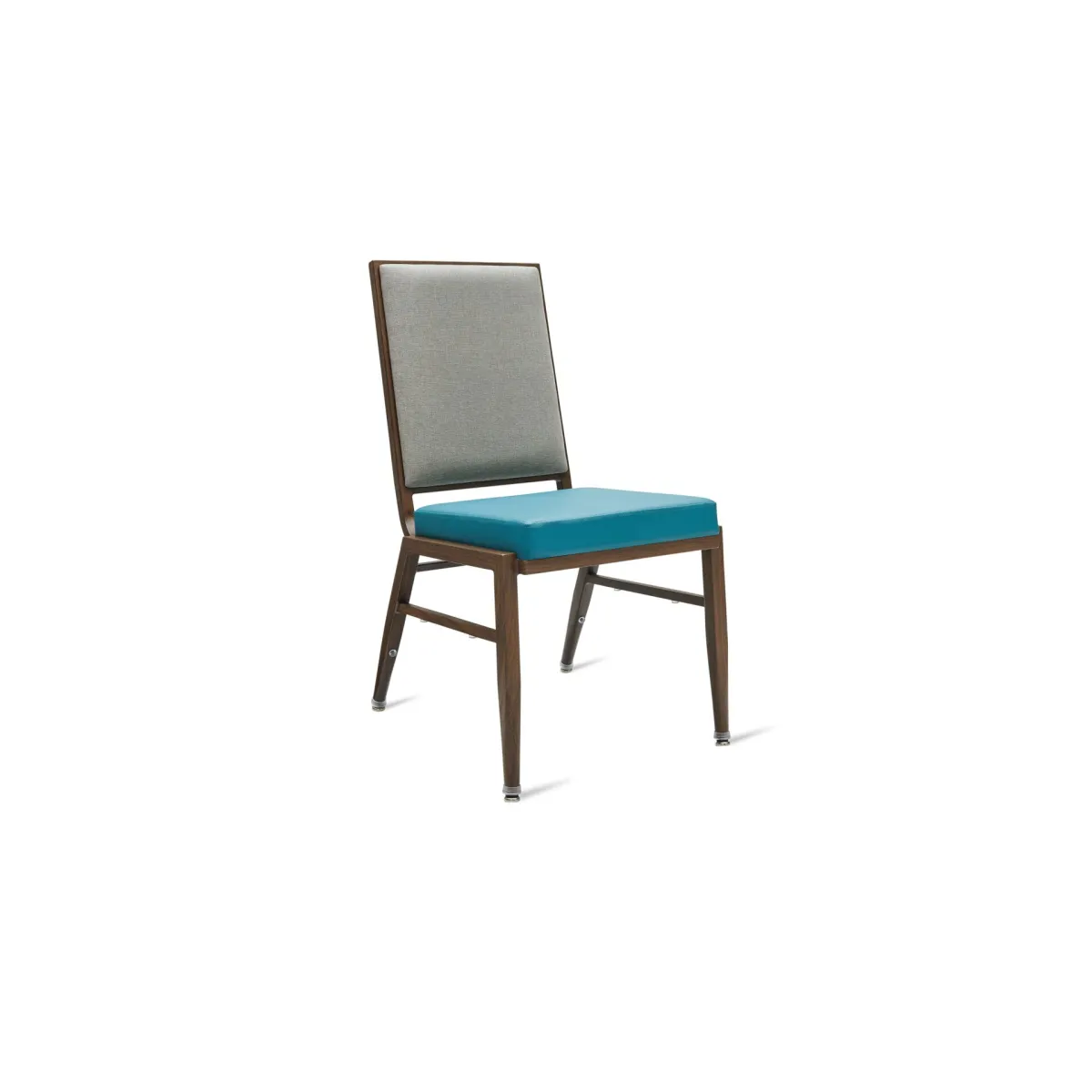
Banquet chair cost is the quoted cost of your selected configuration plus the expenses required to put it into service. A useful budget includes upholstery, finish options, carts, freight, receiving services, and applicable taxes. Without a model, quantity, destination, and delivery scope, a generic per-chair range can be misleading. Use supplier quotes as inputs and compare both the total acquisition cost and cost per chair received in usable condition.
Define the item behind the unit price
Choose candidate models from the banquet chair catalog and ask what each unit price includes. Record the upholstery identifier, finish code, glides, and any connectors or other requested options. Ask whether the quoted chair arrives ready for use or requires additional work.
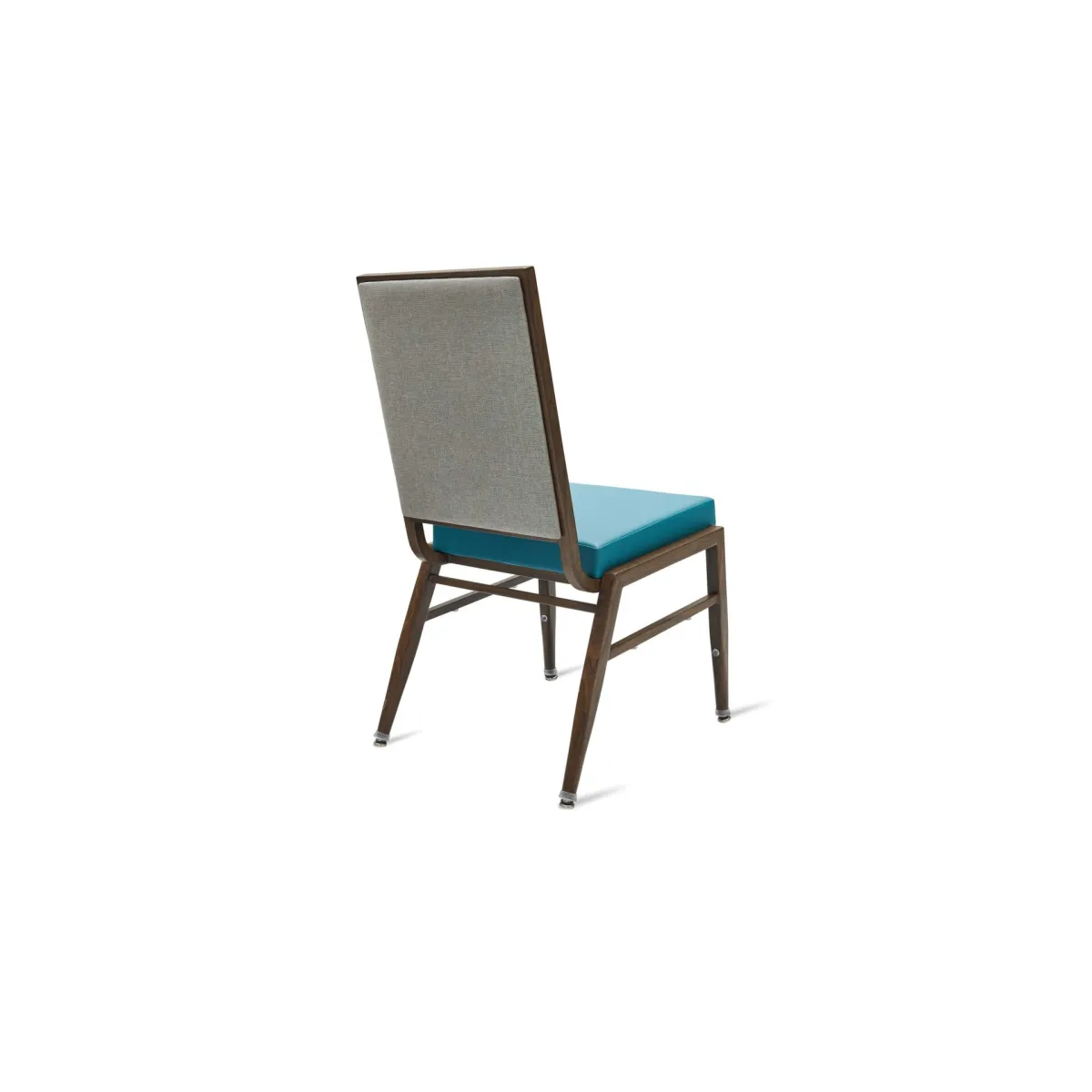
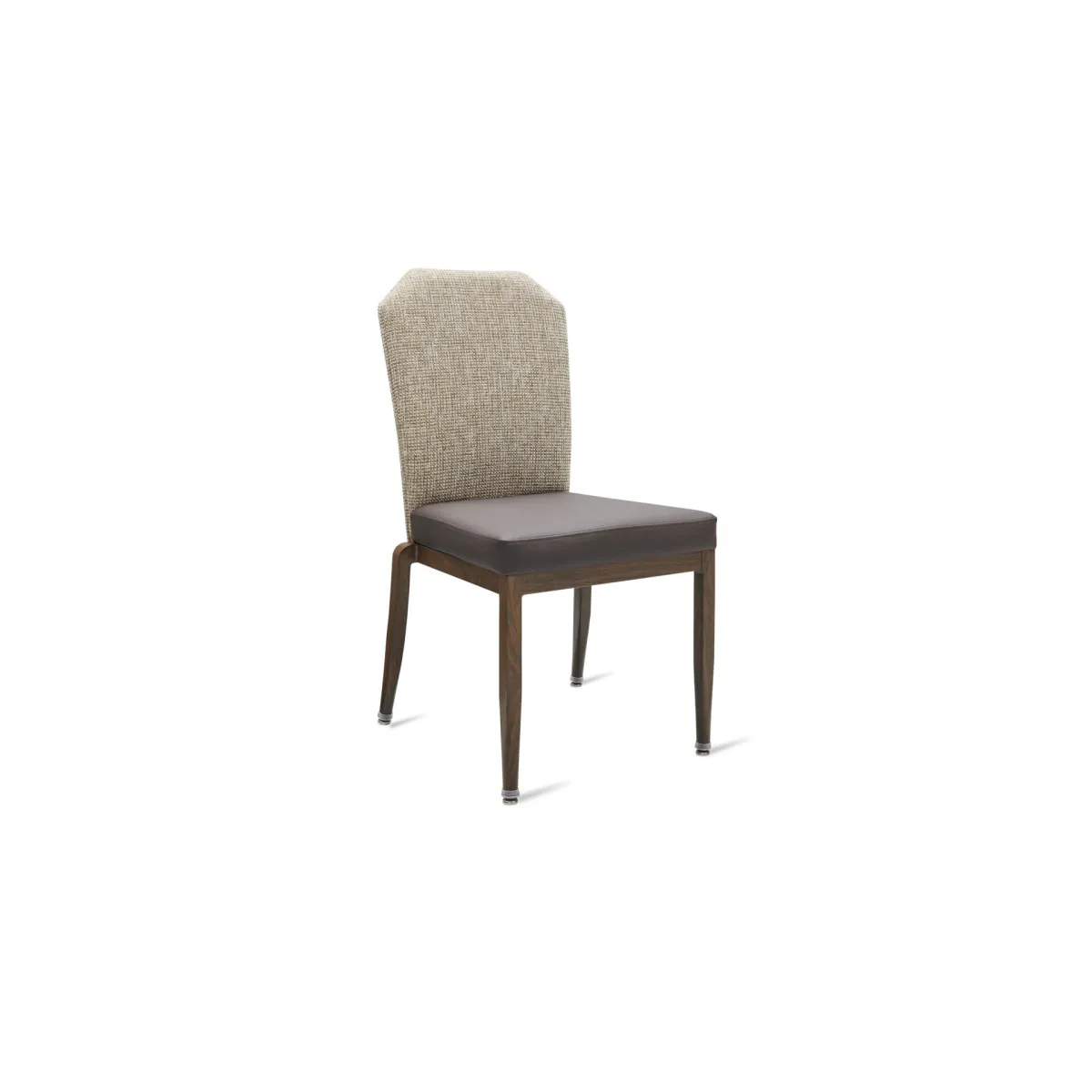
Keep the chair specification beside the price. Two quotes for the same named model can differ if one uses another material or omits an accessory. Check the chair measurements and approved sample so a cheaper alternate does not quietly change table fit.
Put optional upgrades on separate lines. This lets the approver decide what each upgrade contributes without losing track of the base configuration.

Fill in a landed-cost worksheet
Use a single currency and obtain written clarification for every blank. The worksheet is an original budgeting tool; its entries come from your proposals and operating plan.
| Cost line | Input or calculation |
|---|---|
| Chairs | Quantity × quoted configured unit price |
| Separately priced upholstery or finish | Quantity × applicable surcharge |
| Connectors or other accessories | Required units × quoted price |
| Compatible carts | Cart quantity × quoted price |
| Freight | Destination-specific quote |
| Unloading and destination services | Confirmed services and charges |
| Applicable taxes or import charges | Written amount or accountant-confirmed treatment |
| Venue receiving labor | Planned hours × your internal cost rate |
| Acquisition total | Sum of applicable lines, without duplication |
Do not add an upholstery surcharge if it is already included in the configured unit price. The same rule applies to freight described as included: confirm its service scope, then avoid charging it twice in your comparison.
Calculate the unit figure your decision needs
Divide the acquisition total by the number of chairs purchased to obtain an allocated acquisition cost per chair. This spreads shared expenses such as carts and freight across the order. Keep the unallocated totals visible because those expenses may behave differently when quantity changes.
For example, if your confirmed total is represented by T and the order quantity by Q, the allocated cost is T ÷ Q. Replace T and Q with your actual proposal figures. This avoids implying a market price from invented numbers.
If a delivery is partly held for inspection, track chairs ready for use separately. Do not rewrite the purchase quantity or assume disputed damage will be reimbursed; keep any unresolved claim as its own item.
Test quantity changes against the room plan
Use seating-capacity checks and the room planner to establish demand before requesting quantity alternatives. Planner counts are illustrative starting points, so validate them with real chairs and your reviewed layout.
Ask for a revised total at each credible quantity. Freight, packaging, carts, and storage needs may change with the order, so multiplying one unit figure by a new quantity does not necessarily reproduce the new acquisition total.
For a smaller venue, the 100-guest table and chair exercise can help separate seats needed for an event from the reserve inventory you choose to own.
Keep operating costs in a separate comparison
Acquisition cost answers what must be spent to begin using the chairs. Ownership cost adds your measured cleaning, handling, repair, storage, and replacement experience over a chosen period.
Use a stated time horizon and label assumptions. If a sample takes less time to reset, multiply the observed difference by a realistic number of events and your labor rate. Do not assume that time saved automatically reduces payroll; it may instead free staff for other tasks.
Avoid converting warranty length or abrasion numbers into an expected replacement year. Ask what evidence supports the projected service life, and show uncertainty openly.
Request the missing inputs before approval
Send model choices, configuration, quantity, venue address, loading access, required services, and first-use date through the chair quote form. Request itemized pricing and identify whether each figure is fixed, estimated, or excluded.
Approve the budget when the acquisition total is complete and the operational assumptions are reviewable. A clearly documented input-based total is more useful than a low advertised chair price that leaves the rest of the purchase unanswered.