
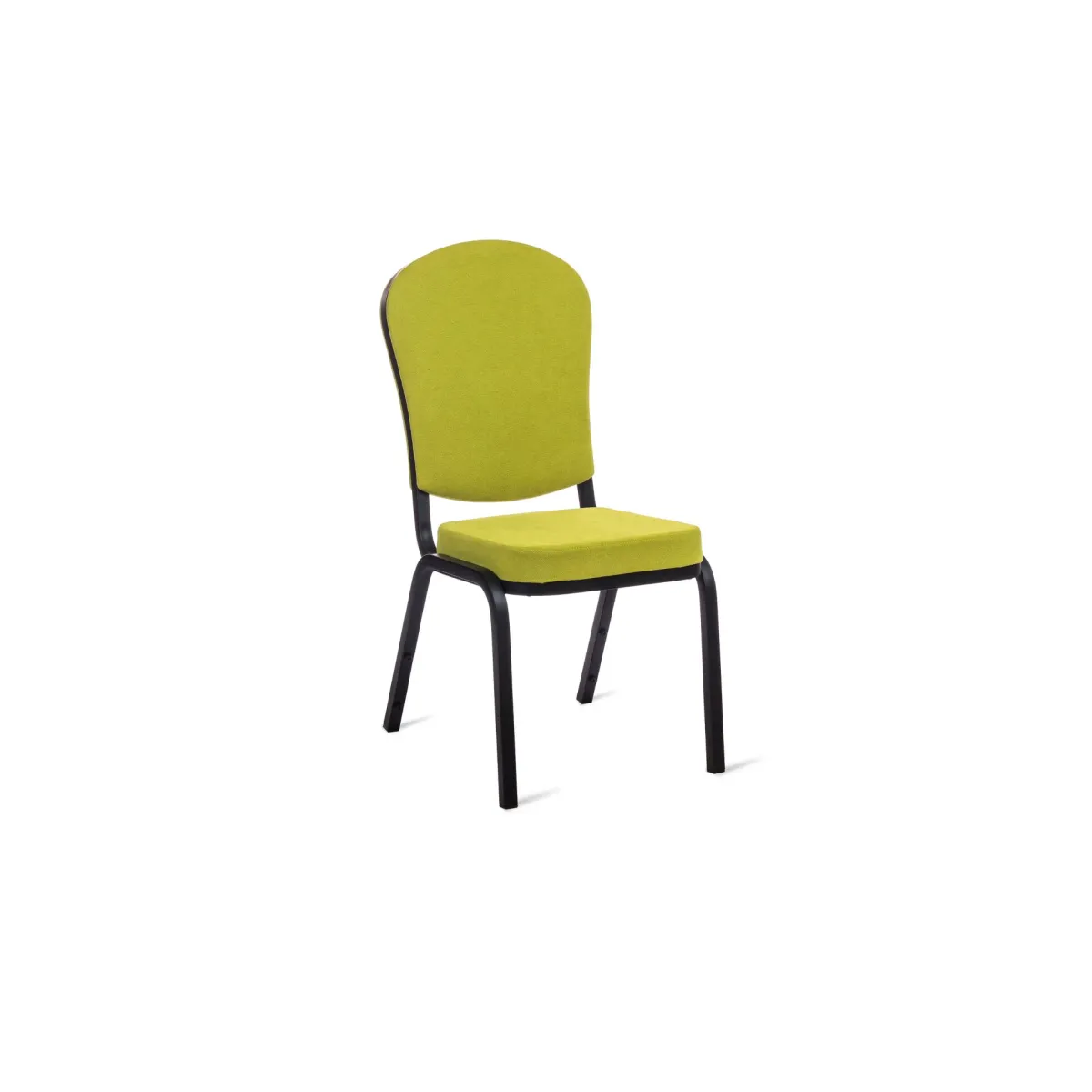
Wood look banquet chairs describe an appearance, not a complete construction specification. Before ordering, ask what the frame is made from, how the wood effect is applied, and which care instructions cover that finish. Then approve a physical sample in your room. This lets you choose the desired grain and color without assuming solid wood construction, low chair weight, or a particular maintenance method.
Separate the visible finish from the frame
Ask the supplier to name both the substrate and the finish process. Keep those entries distinct in the purchase specification. If the supplier uses a proprietary description, request a plain-language explanation and the relevant care document.
For an external example, MityLite describes some Holsag faux-wood frames as aluminum with a powder coating and transferred grain. That is one manufacturer's construction, not proof that all wood-look chairs use it. Manufacturer construction example.
The banquet chair catalog includes wood-look descriptions for models such as Brisa, Dame, and Kimber. Those descriptions help with appearance selection; request model-specific substrate and finish evidence before specifying construction.

Compare samples beside the room's real materials
Place candidate samples next to the floor, wall trim, tables, and linens. View them in daylight, ordinary service lighting, and the lighting used for evening events. Photograph the full room view as well as close details, using consistent settings where practical.
Look at undertones and gloss instead of trying to match a screen swatch. A finish can look compatible with one wood surface while competing with another. Decide whether the chairs should blend into the room or provide a deliberate contrast.
Review several chairs together if possible. Grain direction, joints, curved rails, and repeated back shapes become more visible in a row or around a table than on one isolated sample.
Ask questions that produce an orderable finish
| Detail to approve | Evidence to retain |
|---|---|
| Frame substrate | Model-specific written specification |
| Finish identification | Manufacturer code and revision |
| Grain and direction | Approved sample photographs |
| Color and sheen | Retained physical reference |
| Acceptable variation | Supplier explanation and buyer approval |
| Care procedure | Exact finish instructions |
| Future additions | Supplier's stated matching process and limitations |
Ask whether the sample is representative of the production process and whether different components can vary in appearance. Do not demand an undefined “perfect match”; agree on a review method and what happens when delivered pieces fall outside the accepted reference.
Verify handling and care independently
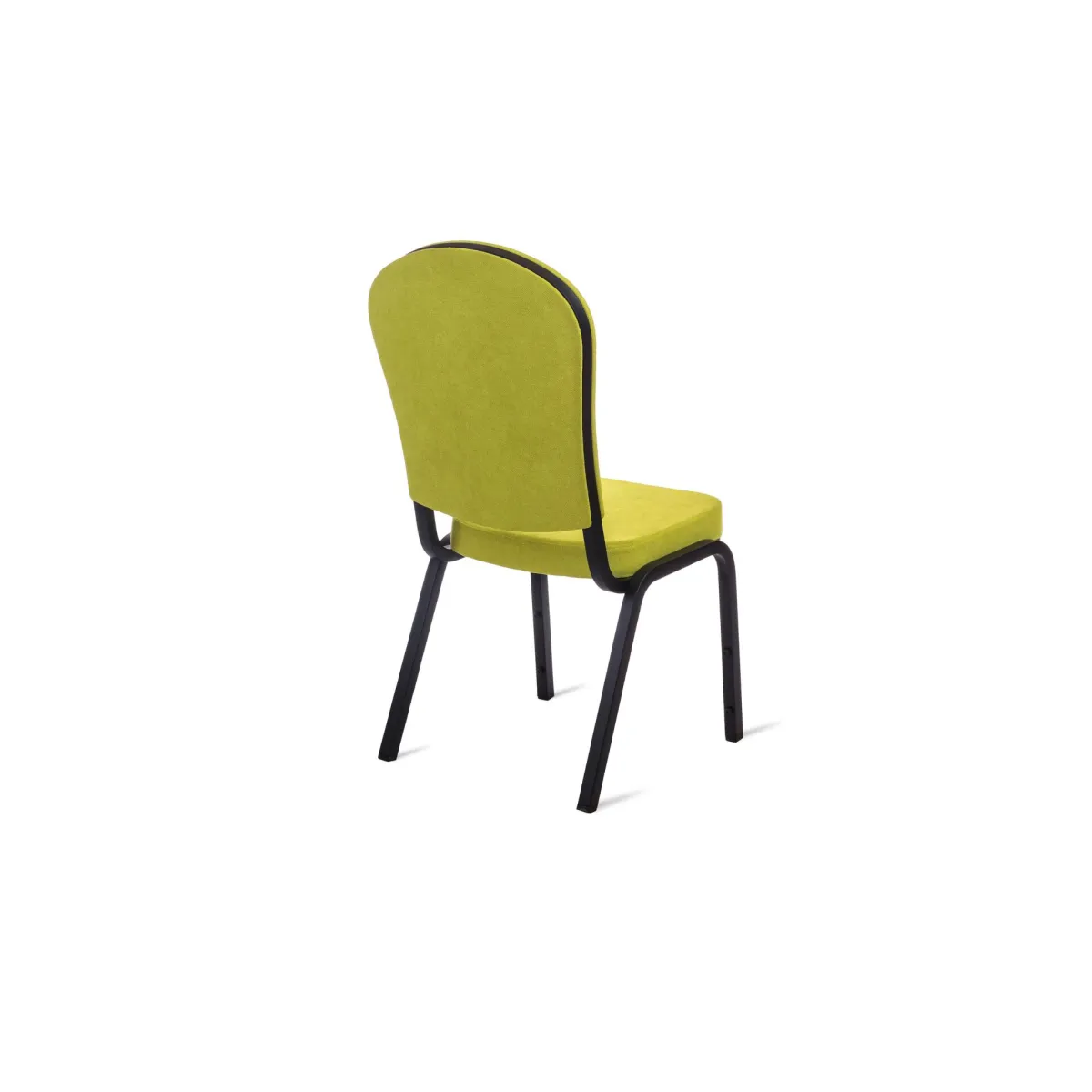
A wood effect does not establish stackability, approved outdoor use, or permission to apply furniture polish. Request stacking instructions and approved cleaning products for the selected model and finish. Obtain explicit guidance before trying a treatment intended for natural wood.
During the sample trial, have staff use normal approved handling and inspect where chairs contact each other or the cart. Ask which protective components are part of the system and how they are maintained.
If a finish is damaged later, obtain the manufacturer's assessment and authorized remedy. Avoid assuming a touch-up pen, sanding, or coating will be suitable. Include any confirmed replacement-part and repair process in the ownership comparison.
Check the chair's dimensions before choosing the look
For example, the catalog lists Brisa at overall dimensions of 18.5 inches wide, 24.25 inches deep, and 36 inches high. These are external chair measurements, not usable seat dimensions. Ask for the latter and verify them on a sample using the chair dimensions guide.
Put samples at the actual table, with place settings and guests, before fixing the seating count. Use the room planner to compare initial arrangements and our hall layout ideas to consider how the repeated silhouette affects the space.
A successful visual choice still needs workable service clearance, comfortable table fit, and storage access. Keep those pass-or-fail requirements ahead of subtle finish preferences.
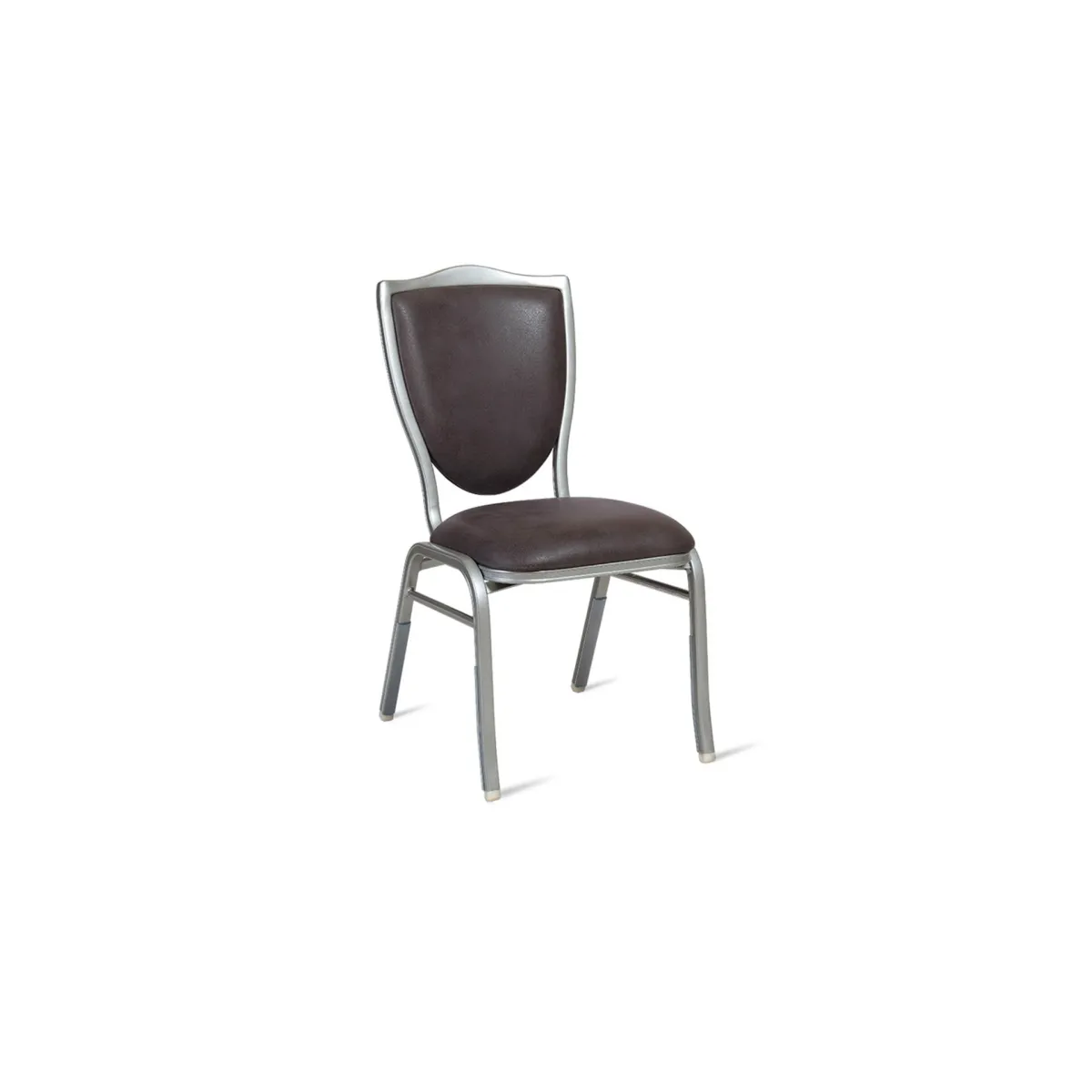
Request the approved appearance with verified construction
Send the model shortlist, frame questions, finish references, sample photographs, intended quantity, and delivery destination through the quote form. Ask what finishes are currently available and whether any requested customization is possible; do not treat a design preference as an offered option.
Before ordering, retain the approved sample identifier and specify who can authorize a substitute. That record gives receiving staff something concrete to compare with the delivery and gives future buyers a useful reference when the fleet expands.