
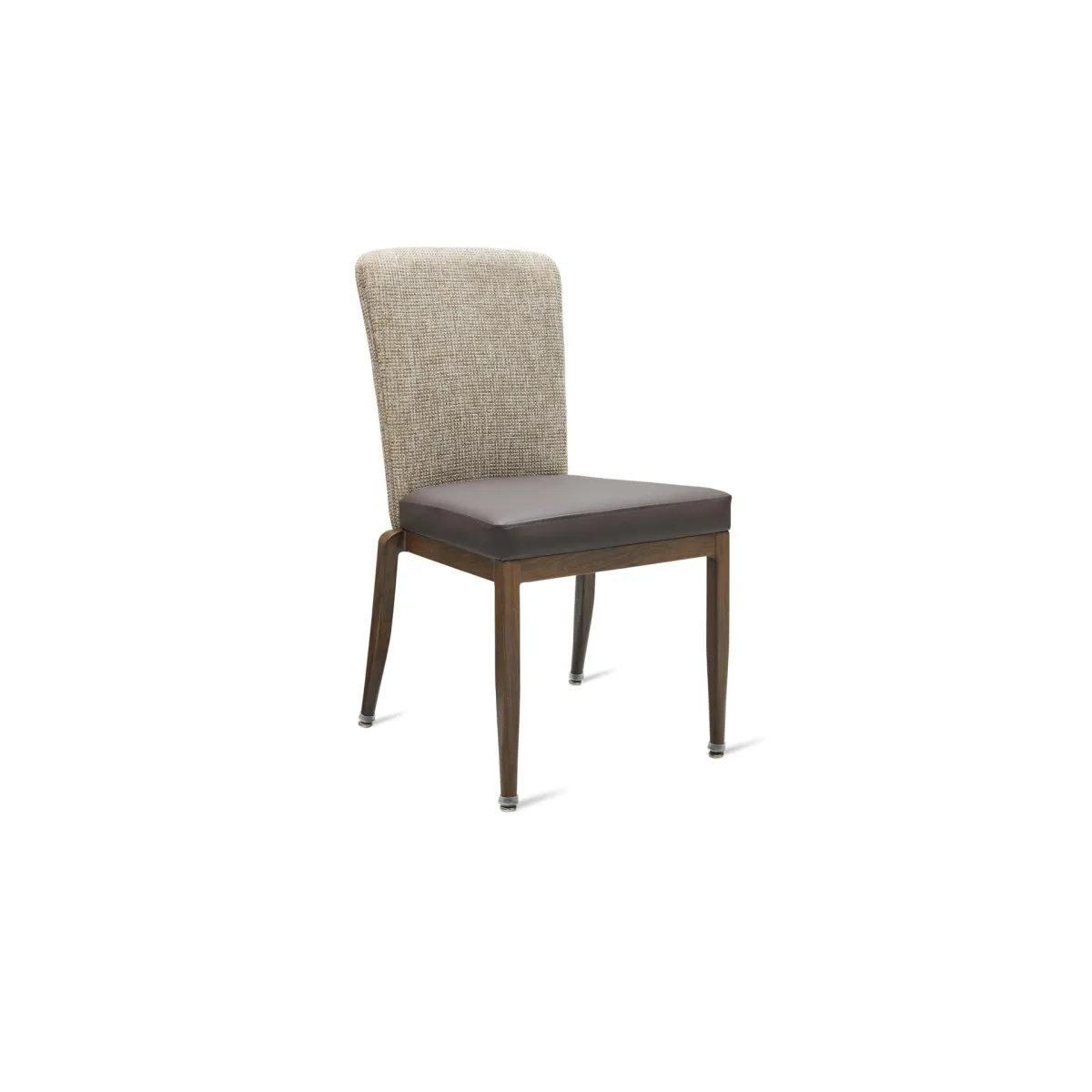
When comparing wholesale banquet chairs, treat “wholesale” as a description that needs written terms, not a price guarantee. Ask what buyer eligibility, order minimum, configuration, and delivery service the proposal assumes. Two offers become comparable only when they cover the same chair, quantity, destination, and services. The purchasing goal is a documented cost for usable inventory at your venue.
Establish who the offer is for
Ask whether the quoted program serves venue operators directly, requires a trade account, or applies only to resellers. Record the seller's business name and the party responsible for order support. Do not infer account eligibility from a wholesale heading.
Clarify whether the minimum applies to the whole order, each chair model, each upholstery color, or each finish. A proposed mix of several colors may be treated differently from one uniform specification. Obtain the actual answer before sending a purchase order or organizing rooms around the mix.
If the supplier asks for business or tax documentation, have your purchasing or accounting contact confirm the appropriate records. A supplier's sales terminology does not by itself establish tax treatment.
Freeze the chair specification before comparing prices
Start with a shortlist from the banquet chair catalog. Attach the exact model and variant to each request. Identify upholstery, finish, glides, connectors, and carts as either included, separately priced, or awaiting confirmation.
Use your sample measurements and the chair dimensions guide to distinguish overall size from seat size. A substitute with a similar photograph may change table fit or storage capacity. Require approval of any alternate configuration.
Keep a revision number on your request. When one vendor receives an updated fabric choice, send the same revision to the others. Otherwise a lower proposal may simply reflect an earlier, less complete requirement.
Use a terms comparison that exposes omissions
Copy this table into the purchasing file. Replace blanks with supplier responses, and keep unanswered items marked unresolved.
| Term | Offer A | Offer B |
|---|---|---|
| Exact model and finish revision | Enter | Enter |
| Upholstery identifier and grade | Enter | Enter |
| Quantity and order minimum | Enter | Enter |
| Included accessories | Enter | Enter |
| Payment stages and due dates | Enter | Enter |
| Quote validity and price-change conditions | Enter | Enter |
| Delivery service and exclusions | Enter | Enter |
| Cancellation or change terms | Enter | Enter |
Request explanations for unfamiliar terms rather than silently assigning them a meaning. “Delivered” needs a location and service definition. “Available” needs a quantity, configuration, and date. “Equivalent” needs a specific comparison and your approval.
Compare cash requirements separately from total cost
The lowest eventual total may require a larger early payment. Put deposits, production payments, shipping charges, and final balances on a dated schedule so the finance approver can see both cost and timing.
Calculate the acquisition total using the supplied chair price, option charges, accessories, freight, destination services, and applicable taxes or other confirmed charges. Use written inputs; do not fill missing freight with an internet average.
Keep any claimed future savings outside the acquisition total. Faster setup, fewer rentals, or longer service life may matter, but those benefits need your operating records or a clearly labeled scenario. They should not conceal an incomplete purchase price.
Resolve the order size without buying unnecessary stock
Confirm the planned chair count against peak simultaneous events and existing serviceable inventory. Check table seating capacity with the actual sample before multiplying tables into an order.
If a supplier minimum exceeds your calculated need, compare the complete consequences: extra storage, carts, receiving labor, and cash tied up in reserve stock. Ask whether another model or a phased order is available; treat the response as a proposal, not a promised service.
A quantity increase is justified when the extra chairs have a credible role. “Reaching wholesale pricing” is not enough without showing the final total and where the additional inventory will go.
Request a proposal that can become a purchase order
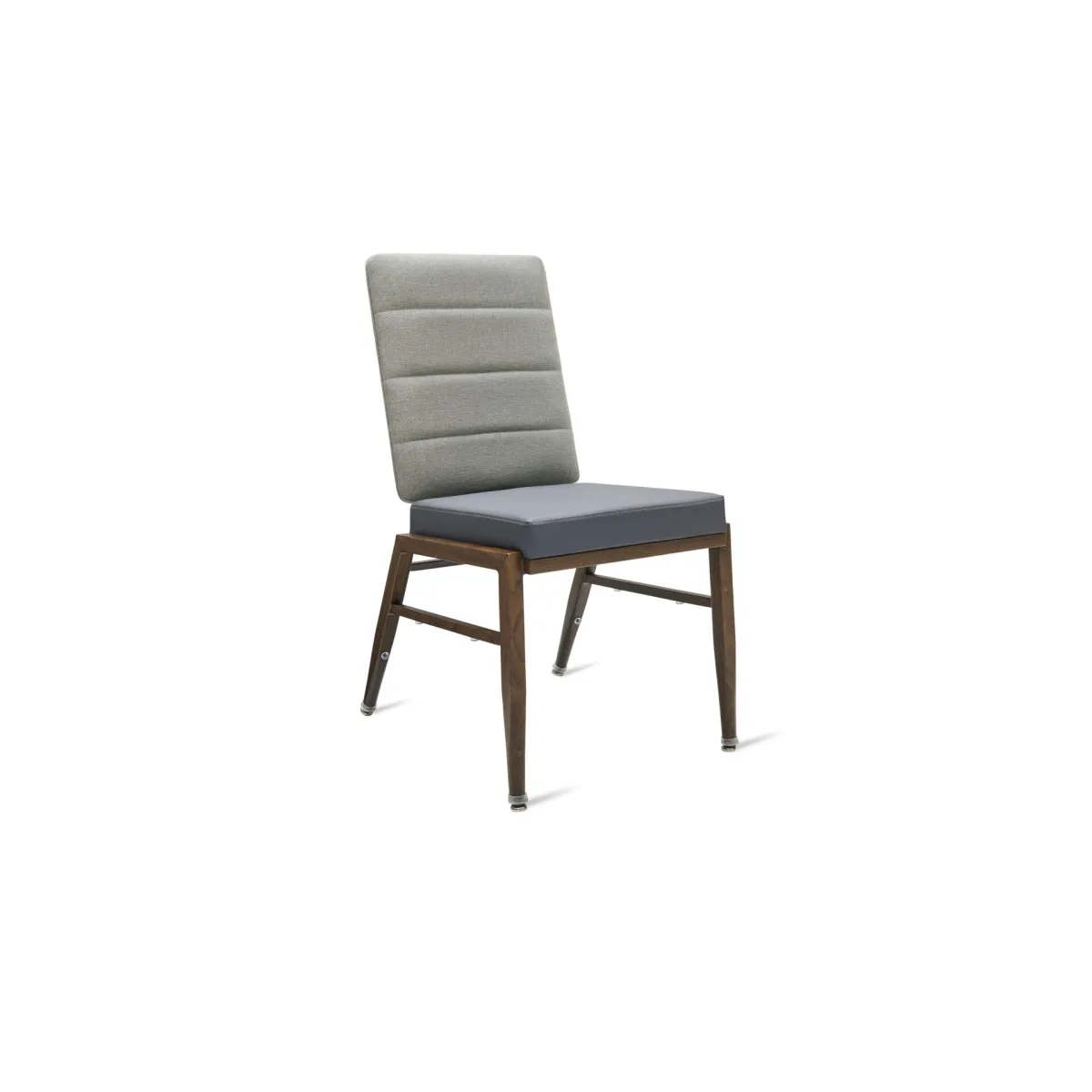
Send preferred catalog models, required quantity, upholstery and finish identifiers, sample status, delivery address, access conditions, and first-use date through the chair quote form. Ask the seller to identify all exclusions and the documents governing the sale.
Before approval, reconcile the proposal to your latest specification and obtain answers to every material blank. The result should be an order that operations can receive and finance can audit without reconstructing a series of informal sales conversations.