
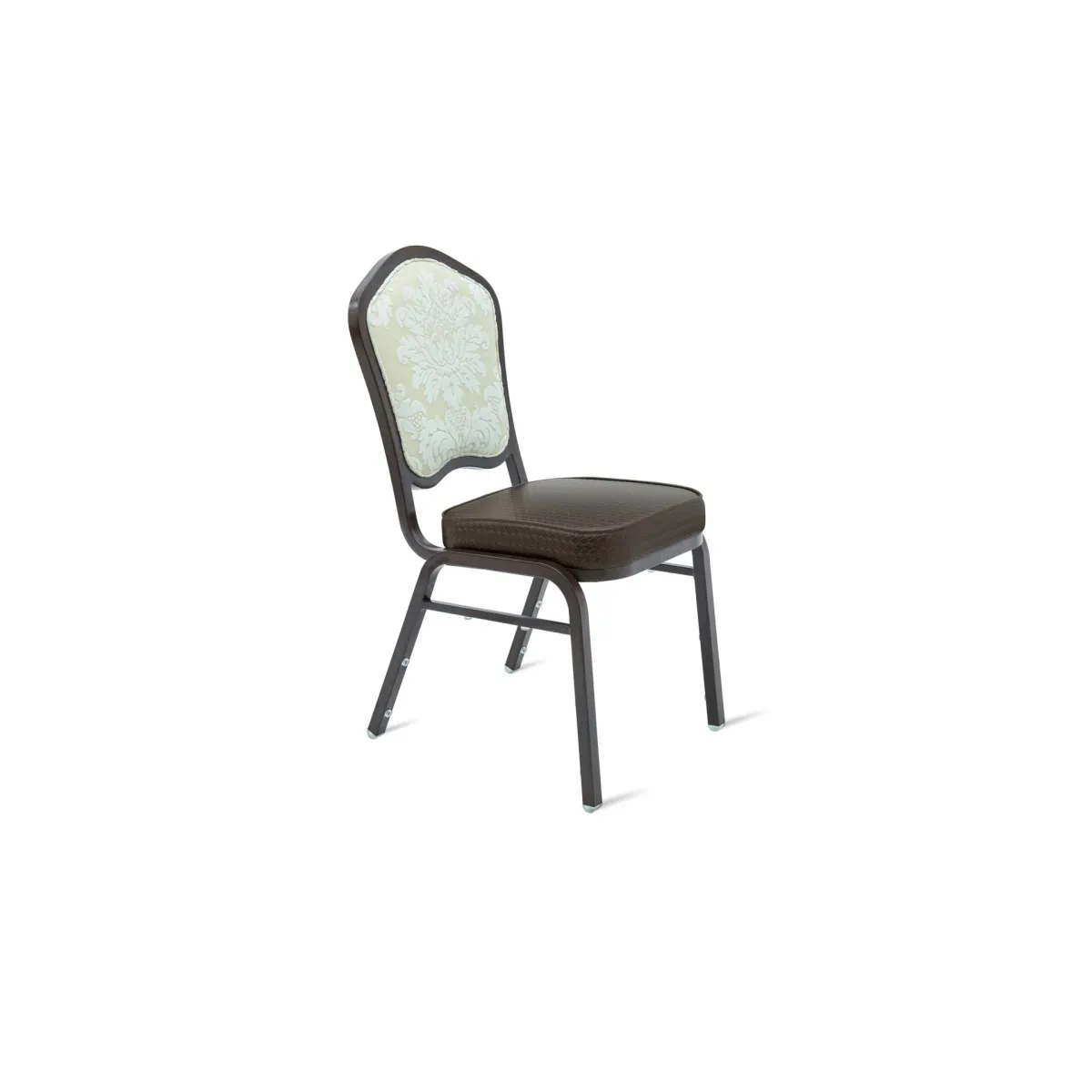
Compare aluminum vs steel banquet chairs model by model. Frame material alone does not tell you the finished chair's weight, comfort, strength, stack size, or cost. Request those details for the exact upholstered configuration, then test both candidates through the same venue work cycle. Choose the chair that satisfies guest fit and documented use requirements with the most workable handling and ownership costs.
Confirm what each frame is actually made from
Ask for the frame material in the written specification. A metallic finish does not identify the underlying metal, and a wood-look finish does not identify a wooden structure. Product names and photographs are insufficient for this comparison.
The banquet chair catalog describes Beatrix as a steel-frame chair, for example. Other catalog entries may describe finish or shape without establishing substrate. Request missing construction details instead of assigning material by appearance.
Record the finished chair's actual weight, including the selected seat, back, glides, and connectors. If one candidate's specification excludes options, have the supplier provide a like-for-like figure before calling it lighter.
Compare the work done by the finished chair
Use this sheet for two specific models. The winner in one row does not automatically win the purchase.
| Comparison | Aluminum candidate | Steel candidate |
|---|---|---|
| Finished model weight | Confirmed value | Confirmed value |
| Overall and usable seat dimensions | Measured sample | Measured sample |
| Approved stack and compatible cart | Written system | Written system |
| Intended use and test documentation | Supplied evidence | Supplied evidence |
| Cleaning and finish instructions | Exact material guidance | Exact material guidance |
| Delivered acquisition cost | Complete proposal | Complete proposal |
| Parts and warranty scope | Written terms | Written terms |
Choose the two candidates because they fit the same event task. Comparing a small, minimally upholstered chair against a larger, fully upholstered one cannot isolate the practical effect of frame material.
Measure handling where the crew works
Have the setup team retrieve, place, collect, and return the same number of samples using approved handling methods. Record trips, time, and specific obstacles. Include the real storage doorway, floor transitions, and elevator if those are part of daily operations.
A lower chair weight is useful evidence, but handhold position, balance, stack alignment, and cart access also affect the task. Ask staff which step causes difficulty rather than asking only which chair feels lighter.
Use those observations in your setup staffing plan. Treat time differences as venue-specific trial results, not a universal labor saving or a safe lifting limit.
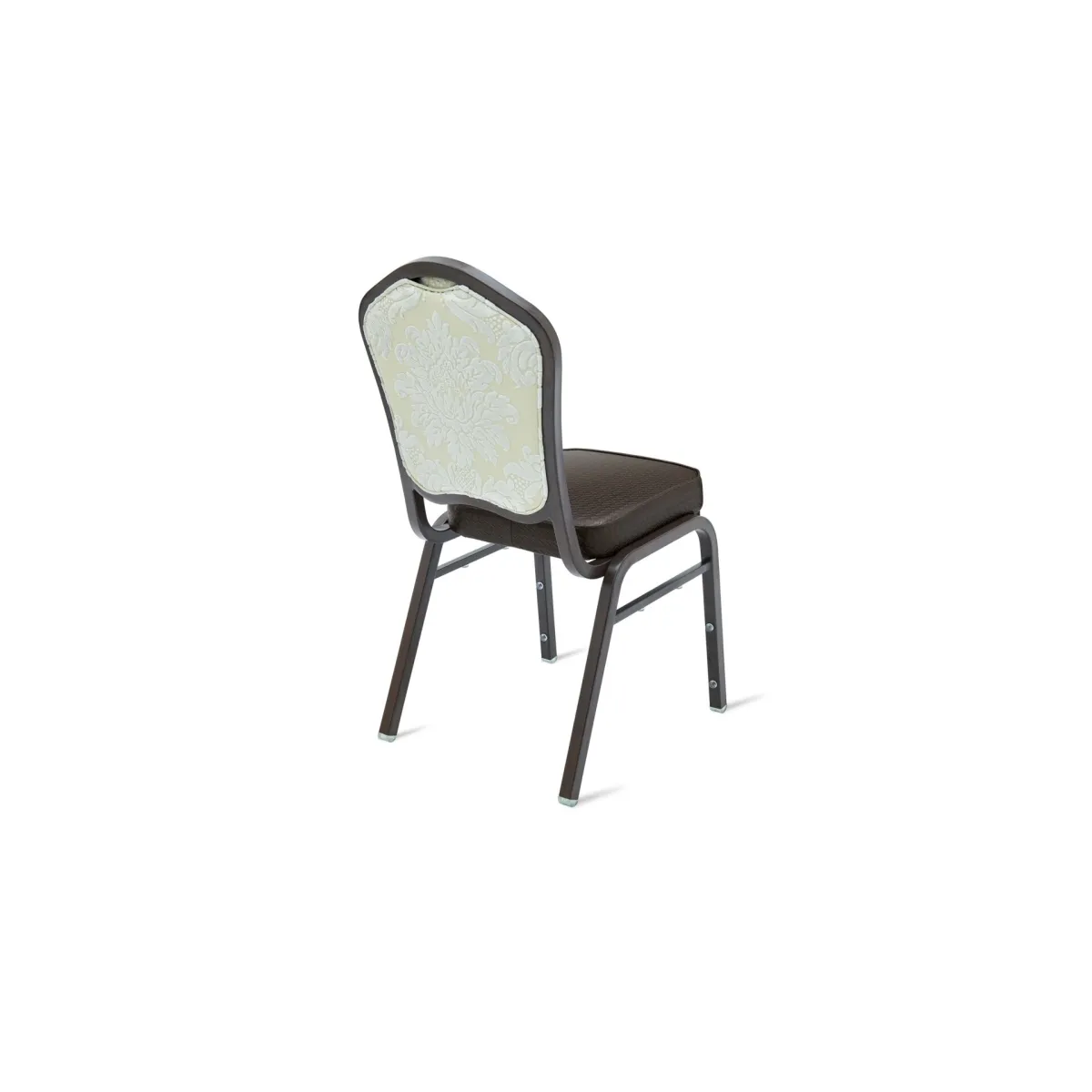
Assess strength through documentation
Request the supplier's intended-user rating, named test standard and edition, model identification, and report scope. BIFMA cautions that static load claims alone do not represent actual use. Do not infer chair performance from metal choice or perform a venue load test. BIFMA load-rating position.
Ask whether the supplied evidence applies to the exact back, seat, and frame configuration under consideration. If a vendor proposes an alternate after testing, obtain a written explanation of whether the documentation still applies.
Inspect the samples for condition and workmanship without attempting structural repairs or destructive tests. Put any concern to the supplier before approving the configuration.
Check finish care and the guest-facing result
Obtain the cleaning instructions for each finish and upholstery combination. Have housekeeping identify whether its current products and routine are approved. Confirm any intended outdoor use explicitly; neither a metal frame nor a wood-look appearance establishes suitability.
At the dining table, compare sitting position, usable width, and contact with the table apron or base. Use the chair dimensions guide to record measurements consistently. Evaluate the chairs under venue lighting with the usual linens.
If one model passes handling but fails the meal-service trial, keep searching. A frame preference should not override an observable problem in the chair's primary use.
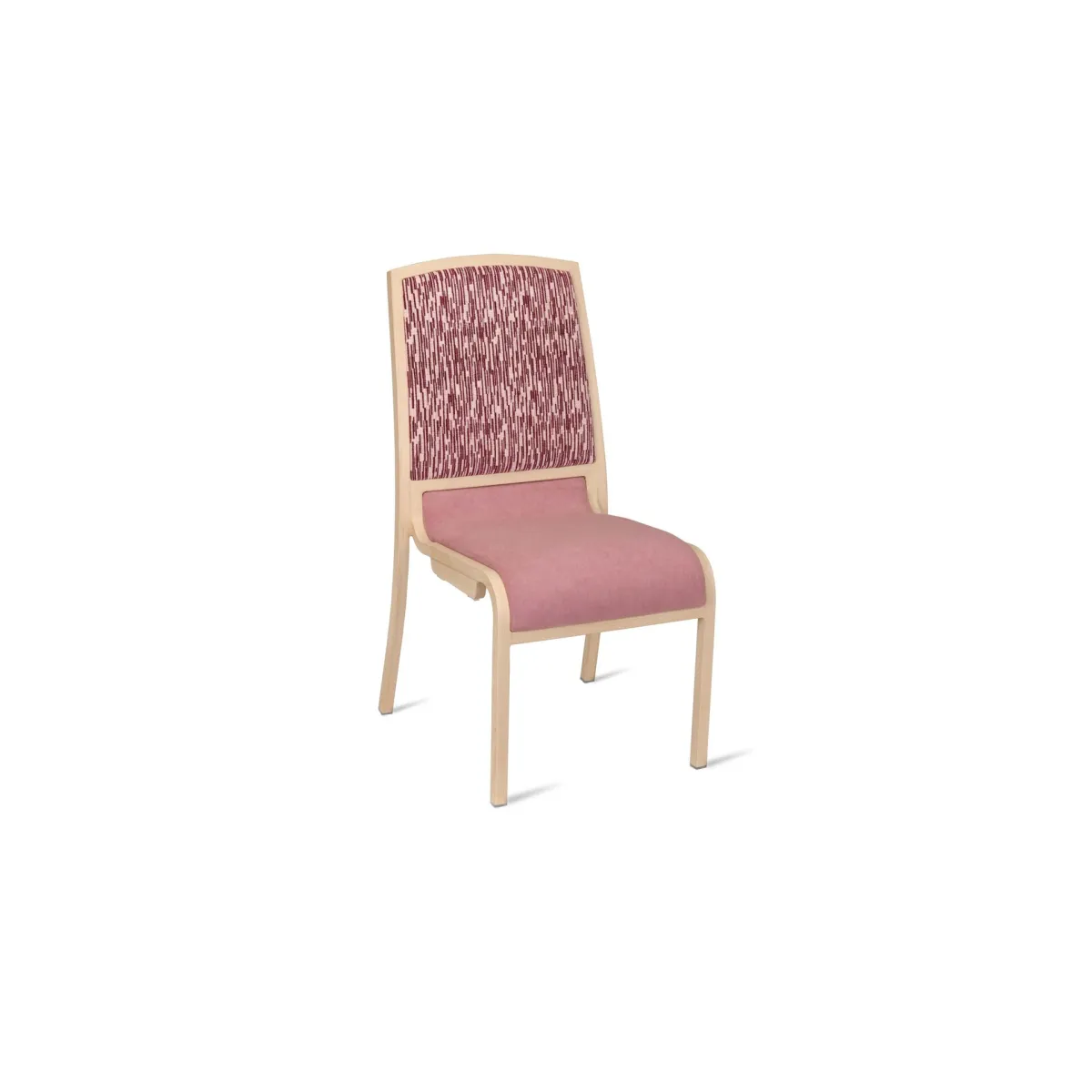
Decide using a documented tradeoff
Write a short decision statement: preferred model, trial result, complete cost difference, and unresolved evidence. A justified choice might prioritize easier retrieval, better table fit, or a more suitable approved cleaning routine. It should not rest on “aluminum is always better” or “steel is always stronger.”
Send both model names, quantities, upholstery and finish choices, trial observations, route constraints, and delivery details through the quote form. Request comparable configured proposals so your final material choice follows the evidence from the whole chair.